

ABSTRACT
| This study critically examines the effectiveness of carbon-trading incentives in fostering a low-carbon economy in the dryland region of Matabeleland South, Zimbabwe. Employing a mixed-methods approach, it analyses policy frameworks, institutional arrangements, and empirical outcomes from recent carbon credit initiatives, including the Kariba REDD+ pilot project.
Key findings reveal that while carbon trading mechanisms, such as afforestation and REDD+ Programs, can generate supplementary income and attract private investment, persistent systemic barriers, namely, customary land tenure complexities, weak monitoring and verification systems, and inequitable benefit-sharing, limit their equitable impact and scalability. The research emphasizes the risk of “green grabbing” and accentuates socio-economic disparities if local governance capacity and participatory frameworks are insufficient. Discussion points centre on the crucial role of decentralized climate governance, local knowledge integration, and targeted capacity-building to bridge gaps between national policy and community-level implementation. Policy recommendations advocate for strengthening rural district councils, establishing robust legal protections for communal lands, and ensuring transparent benefit-sharing mechanisms. Integrating behavior change models, such as COM-B, is also advised to drive institutional adaptation and stakeholder engagement. Context-sensitive carbon trading incentives, grounded in inclusive governance and robust environmental stewardship, are vital for advancing sustainable development in dryland regions. |
|
-
Introduction
The interplay between climate change and economic development is a pressing and defining challenge for regions reliant on commodity-based economies, particularly across sub-Saharan Africa. In the wake of political independence, including South Africa’s transition in the 1990s, these economies have continued to grapple with structural legacies rooted in colonial extraction and export of unprocessed agricultural and mineral resources.[1] The Matabeleland South region of Zimbabwe epitomizes this trajectory, where low agrarian productivity on ecologically marginal lands and the proliferation of informal economic activities, such as artisanal and illegal mining, emphasize persistent vulnerabilities.[2] Despite contributing minimally to the national gross domestic product (GDP), the rural majority remains at the forefront of escalating socio-economic disparities, especially in resource allocation and utilization.[3]
Environmental degradation, notably deforestation and land degradation, remains pervasive in developing contexts. In Zimbabwe, and particularly in Matabeleland South, the relentless conversion of forests for agriculture, construction, and fuelwood exacerbates vulnerability to climate change.[4] The diminishing forest cover, which serves as a vital carbon sink and regulator of local hydrology, increases communities’ susceptibility to adverse weather events and undermines their adaptive capacity. This reality emphasizes the imperative to integrate sustainable land management practices that harmonize development objectives with environmental stewardship, thereby mitigating the effects of global warming.[5]
While global data often obscure localized impacts, dryland ecosystems such as those in Matabeleland South may experience more acute increases in temperature and associated climate risks.[6] However, the region remains understudied regarding the specific impacts of global warming, a gap this research seeks to acknowledge by focusing on the role of carbon-trading incentives. The recent wildfires contribute to the bleak outlook that indicates that over 68.5 million people globally are at risk of economic loss due to climate change-related adverse conditions, with anticipated damages approximating $131.7 billion, 93% of which stem from storms, floods, wildfires, and drought, phenomena to which dryland regions are acutely prone.[7]
Matabeleland South is emblematic of these vulnerabilities: recurrent droughts, escalating resource degradation, and declining ecosystem services threaten livelihoods and economic stability. [8] The imperative to establish proactive mitigation strategies is clear, as the most severely affected sectors include food security, water, health, human settlements, and infrastructure. Large tracts of forest in Zimbabwe present potential for carbon sequestration, and the emergence of international carbon credit markets offers new financial incentives for conservation.[9] Specifically, mechanisms such as afforestation, avoided deforestation, and conservation agriculture are increasingly relevant as possible pathways to attract private green investment and address climate finance gaps in Matabeleland South.
Nevertheless, systemic barriers persist. Customary land tenure and communal ownership complicate both market participation and equitable benefit-sharing.[10] Without robust legal protections and benefit-sharing frameworks, the initiative of carbon trading schemes risks entrenching inequalities, particularly through “green grabbing”, whereby elites appropriate resources under the guise of environmental protection.[11] Weak technical capacity for emissions measurement and deficiencies in monitoring, reporting, and verification (MRV) systems further undermine project credibility and community engagement.[12]
Zimbabwe’s 2013 Constitution offers a framework for decentralized climate governance, empowering rural district councils to coordinate local adaptation and mitigation strategies. [13] However, gaps remain due to funding constraints, limited technical expertise, and often-disjointed coordination with the central government. Critics of decentralization may point to the comprehensiveness of national strategies such as the Low Emissions Development Strategy (LEDS), yet the disconnect between national policy and local implementation persists.[14] Strengthening local governance capacity is thus essential for aligning top-down policy with ground-level action. The change process necessitates a model that drives change, such as the COM-B (Capability, Opportunity, Motivation – Behavior), which is grounded in internalizing behavior change across the board, the institutional development spectrum. By applying such frameworks, regions like Matabeleland South are better equipped to analyze, adapt, and integrate effective strategies, laying a foundation for the practical experiences highlighted in recent carbon credit initiatives.
The experience of Matabeleland South with carbon credit programs is instructive. Empirical evidence from a 2023 pilot project in the region shows that smallholder participation in reduced emissions from deforestation and degradation (REDD+) initiatives can generate supplementary income and promote conservation.[15] The Kariba REDD+ project, for instance, covers 785,000 hectares and is managed by South Pole, attracting investments from international firms such as Gucci, Nestlé, and Volkswagen. Nonetheless, controversies regarding the credibility and actual climate benefits of such projects, such as overstatements of avoided deforestation and imprecise emissions estimates, highlight persistent challenges.[16].
Financial incentives for climate action are not a new concept in the region. Programs such as the Communal Areas Management Program for Indigenous Resources (CAMPFIRE), rural solar electrification initiatives, and the Zimbabwe Climate Smart Agriculture Fund have all sought to enhance resilience through community-based benefit-sharing, subsidized renewable energy, and low-interest loans for climate-adaptive agricultural practices.[17] Despite some success, these approaches are often hindered by bureaucratic hurdles, inequitable access to resources, and insufficient capacity-building. The design of carbon trading incentives, therefore, warrants careful attention to context-specific socio-economic realities. There is a risk that such mechanisms disproportionately benefit wealthier, better-connected households, accentuating existing inequalities[18] Conversely, integrating local knowledge and participatory governance into carbon trading programs can improve equitable outcomes and foster sustainable development.
This study aims to critically assess the effectiveness of carbon trading incentives in advancing a low-carbon economy in the dryland region of Matabeleland South, with a particular focus on the interplay between institutional, socio-economic, and ecological factors. The main objectives of the study include socio-economic issues, the perception of the household of the low-carbon emission strategy, determining wood fuel consumption and carbon footprint, the incentive types to enhance low-carbon strategy and the practical adoption of incentives for low-carbon strategies
-
Theoretical Framework for Integration of Community Engagement in Low-Carbon Transitions
- Applying the COM-B Framework to Enhance Climate Resilience
This conceptual diagram illustrates the crucial role of community engagement in promoting the adoption of alternative wood-fuel sources to enhance climate resilience, grounded in the established COM-B behavioral model.[19] It highlights the dynamic interplay among institutional actors, local knowledge systems, and the imperative for spatial equity, all interconnected through adaptive feedback mechanisms.
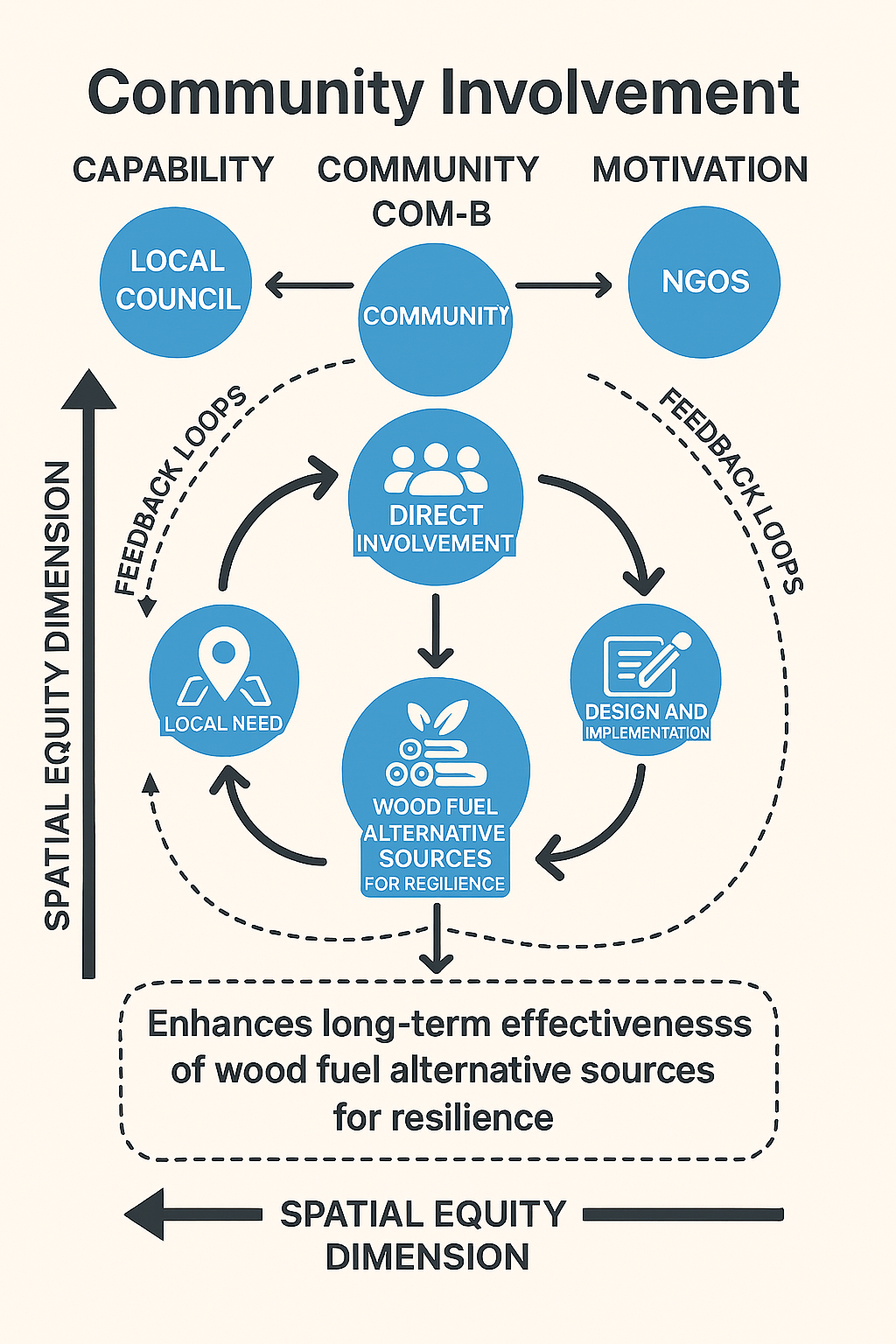
Figure 1 Integrated community participation combined with spatial equity for resilience, adapted from Willmot et al.
- Community Inclusion and COM-B Framework Application
- Capability (Local Council): Local councils contribute essential technical expertise, establish policy infrastructure, introduce carbon trade for cap-trade credit, and provide regulatory support foundations necessary to create an enabling environment for the transition to sustainable fuel sources.
- Opportunity (Community): The community embodies lived experience and cultural context, offering invaluable insight for developing interventions that are both relevant and effective within specific localities, financial opportunity to sell excess carbon credits, and abate through modern technologies. Access to green behavior finance.
- Motivation (NGOs): Non-governmental organizations play a catalytic role, mobilizing resources, facilitating educational initiatives and knowledge institutionalization, and sustaining community participation through advocacy and participatory engagement platforms.
The sequential flow from Local Council to Community to NGOs reflects the systematic layering of behavioral enablers that collectively empower local action.
- Empowering Community Agency
A key feature of the framework is the transition from community consultation to direct involvement, signified by the upward movement in the diagram. This shift is essential for:
- Ensuring procedural equity in decision-making processes, and caps and trade initiatives
- Building trust and fostering local ownership of interventions,
- Aligning external initiatives with community priorities and lived realities. Allowing local management of the financial resources cap and trade system of carbon credit and trade
- Adaptive Feedback Mechanisms
Bidirectional feedback loops around the cycle emphasize the importance of:
- Iterative learning: Both communities and institutions refine their strategies in response to outcomes and shifting needs, technology, and financial benefits management.
- Reflexivity: Stakeholders regularly reassess core assumptions and adapt their approaches accordingly, as well as policies
- Resilience-building: Ongoing adaptation enhances the long-term capacity to respond to environmental and socio-economic change and best practice management.
- Spatial Equity Dimension
The diagram also foregrounds the principle of spatial equity by:
- Emphasizing place-based justice and recognizing the unique vulnerabilities and strengths of different regions, multi-scalability is required both in terms of loss and damage compensation at the international level.
- Discouraging homogenized interventions by promoting context-specific approaches,
- Ensuring that both the benefits and burdens of low-carbon transitions are distributed fairly across the landscape.
The model created a holistic, systems-oriented approach that provides for a robust tool for analyzing and guiding the design of participatory, just, and effective climate mitigation strategies in rural contexts. This may unpack deeply rooted feelings in areas with a history of ineffective interventions, leading to a reduced willingness to engage with new incentive structures. However, economic vulnerability remains a constant factor in resistance, with respondents expressing concern about initiatives perceived as threatening established survival-niche livelihoods; hence, practical community participation is key. Overall, the framework may move prevailing neutral attitudes to a positive and motivated position and behavior with integrated individualized incentives, which appear to receive more favorable evaluations than collective measures
- Methodology
- Overview
The methodology employed in this study is designed to rigorously assess the effectiveness of carbon trading incentives in fostering low-carbon development within the dryland context of Matabeleland South, Zimbabwe. By adopting a mixed-methods approach, the research integrates quantitative and qualitative data collection techniques, ensuring a comprehensive analysis of measurable outcomes alongside nuanced community perspectives. This methodological framework enables the systematic examination of the interplay between socio-economic, institutional, and ecological factors shaping the implementation and impact of carbon trading initiatives, thereby providing robust empirical evidence to inform policy and practice in climate adaptation and sustainable development.
Mixed-methods approaches provide a comprehensive analysis of data, particularly in the realms of climate change adaptation and socio-economic studies. However, the qualitative data, which includes non-numerical information derived from interviews, open-ended survey questions, observations, and photographic evidence, tends to confine findings to specific local contexts. Nevertheless, this qualitative component offers valuable insights that can be generalized and applied to broader development and policy-making initiatives.
- Research Methods
To thoroughly investigate the role of carbon trading incentives in fostering low-carbon development in Matabeleland South’s dryland context, this research employs a mixed-methods approach combining qualitative and quantitative techniques.[20] By weaving together statistical analysis with in-depth community engagement, the study captures both the tangible impacts and the lived experiences of local stakeholders. This integrative strategy ensures that the findings reflect not only measurable outcomes but also the complex social and ecological realities shaping climate adaptation efforts in the region.
- Sampling Strategy
A multi-stage sampling approach was used, beginning with purposive sampling in Matabeleland South due to the unique conditions and the presence of solar-powered schemes utilizing sand aquifers. Hence purposive sampling technique was employed at the district and project levels.[21] Three districts Gwanda, Matobo, and Mangwe were deliberately selected for their prominence in climate adaptation activities and for implementing solar-powered garden projects, which serve as relevant cases for examining the impact of the incentives. Within each selected district, wards that host solar-powered garden projects were identified, especially in Gwanda South, where three wards were selected.
At the ward and project level, households and garden members were selected using, random sampling to ensure representativeness and reduce selection bias only at the ward and solar-powered schemes level. Households residing within proximity to the selected solar-powered garden in each ward were mapped and then randomly chosen, with both garden project participants and non-participating households included. This approach enabled comparative analysis and mixed views among various categories of community members.
- Data Collection Methods
Data collection comprised several complementary tools to enhance both breadth and depth:
- Structured Questionnaires: A combined instrument with open- and closed-ended questions was administered to sampled households. Close-ended questions facilitated the quantification of key variables, including demographic characteristics, awareness, and adoption of low-carbon practices. Open-ended questions encouraged respondents to elaborate on their perceptions, motivations, and experiences, enriching the data with qualitative insights.
- Focus Group Discussions (FGD): The discussions were conducted to collect complementary qualitative data regarding the experiences and perceptions of small-scale irrigation gardeners concerning climate change and adaptive strategies. Additionally, these discussions explored participants’ views on solar-powered irrigation schemes, contributing to the broader analysis of the survey findings.
- Carbon Footprint Measurement Checklist: A practical checklist was utilized to systematically record household activities related to energy use, resource consumption, and land use. This enabled direct measurement of carbon footprint contributions and provided a standardized basis for comparison.
- Participatory Observation: Researchers engaged in direct observation of selected communities, taking note of daily practices, garden operations, and the use of solar-powered technologies. This participatory approach deepened contextual understanding and allowed for the validation of self-reported behaviors.
- Data Analysis
A two-pronged analysis framework was adopted, integrating statistical and non-statistical methods:
- Quantitative Analysis: Responses to closed-ended questions and checklist items were coded and entered into SPSS and Microsoft Excel. Descriptive statistics (means, frequencies, distributions) characterized key variables, while comparative analyses (e.g., cross-tabulations and paired data tests) identified relationships between household characteristics, project participation, and carbon reduction outcomes.
- Wood is heterogeneous, and the exact amount of carbon in 1 Kg of dry wood will vary depending on the species of wood, age of wood, etc. In this paper, hard hardwood will be used as a typical example of tropical woodlands. It is reported that 1 Kg of wood contains about 450-500 g of Carbon, which means 1 Kg of timber holds about 1.65-1.80 Kg of CO2, and an average of 1.73kg is therefore adopted for crude calculations in this paper.[22]
- Qualitative Analysis: Open-ended responses and observational notes were thematically coded to uncover patterns, perceptions, and contextual factors influencing the uptake of carbon trading incentives. Narrative synthesis and content analysis enabled triangulation of quantitative findings with the lived experiences of community members.
This mixed methods methodology ensured robust evidence by capturing both statistical regularities and the voices of marginalized groups, informing actionable recommendations for equitable and effective climate adaptation strategies in Matabeleland South.
The socio-demographic analysis of Matabeleland South province’s southern region, specifically Mangwe, Matobo, and Gwanda districts, highlights a population shaped by complex historical, economic, and cultural factors. The principal ethnic groups include Ndebele, Kalanga, and Sotho, with Ndebele as the predominant language. The presence of additional languages such as Sotho, Venda, and Kalanga reflects significant linguistic diversity across the study areas.
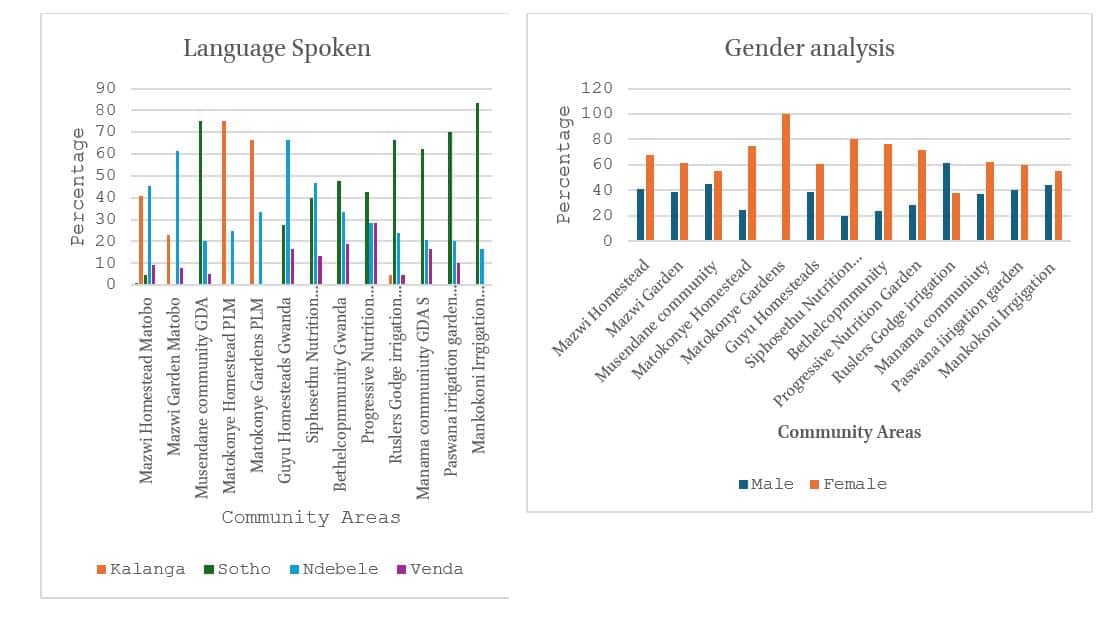
Figure 2 The languages spoken in the Region, Figure 3 Gender Analysis
Additionally, the gender distribution among respondents and participants in the climate change adoption gardens was skewed toward females, with more women involved. The graph below (Figure 2) illustrates the gender distribution and shows an increase in women’s participation in agriculture for subsistence and informal activities Figure 3 further reveals that women are increasingly participating in and controlling their economic activities, thereby defining their destinies.
The education level indicates literacy rates, showing that most community members are only educated up to primary level school. This situation complicates the dissemination of information. For example, when education was linked to the acquisition of knowledge about climate change, it revealed limited access to formal sources of information. As a result, the quality of knowledge dissemination is questionable and unreliable.
The assessment of housing infrastructure was conducted indirectly using a checklist that categorises the types of houses or huts in the homesteads. It was found that 75% of the homesteads had at least the main house roofed with iron sheets. Additionally, 95% of the kitchens were constructed of poles and dagga (mud) or bricks and roofed with poles and grass. The hut types indicated a noticeable shift away from using grass and poles from the forest. Furthermore, a clear association was observed: low-income households primarily constructed huts using ‘poles and dagga’(mud), with roofing made of poles and grass thatch.
- Economic Issues
Each homestead is allocated an average of five hectares of land for dryland crop production, which is cultivated during the rainy season from mid-November to March. The study found that the yield is only one 50 kg bag of grain per hectare, insufficient to feed an average family of five. The perimeter fence around the field is typically constructed from branches, with occasional use of other materials for fencing. The study found that more than 90 per cent of subsistence farmers rely on branch trees as fencing material, which they replace annually during the cropping season. This practice contributes to increased deforestation.
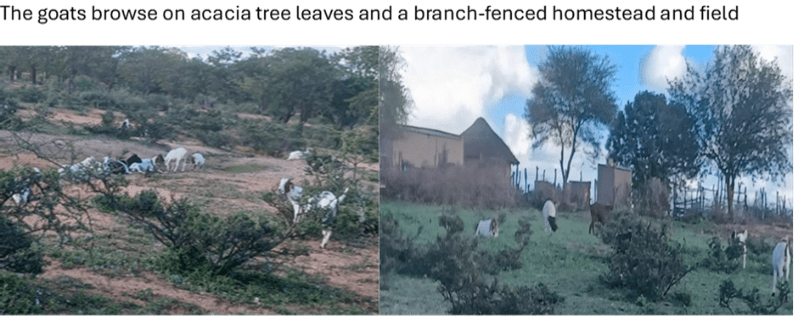
Figure 4 shows a picture of acacia shrubs and tree branch hedges in Bethel village, Gwanda.
Farmers keep small animals, such as goats, closer to the homestead. They browse on favoured acacia tree leaves, pods, and flowers. They are reported to perform very well in this dry-land area, indicating that farmers have an intrinsic ability to adapt to climate change. One respondent confirmed this issue in the statement below:
Imbuzi ziyathanda isihlahla lesi sesinga and ziyenza kuhle kakhulu. Siyathengisa sithenge ukudla sibhadale leschool fees (Goats like to eat acacia leaves and buds and do well in this area. We do sell to buy foodstuff and pay school fees) (Kraal Head Bethel village)
On average, farmers sell three goats per year, generating around $150. This income plays a crucial role in meeting their daily needs, helping cover essential expenses such as food and children’s school fees. The sale of goats provides financial relief and contributes to the sustainability of their farming practices and the farmers’ livelihoods.
- Determine the Perception of the Household of the Low-Carbon Emission Strategy
The evaluation of communities within the study area focused on their perceptions regarding the need for a strategy to advance the low-carbon economy at the household level. This analysis was grounded in the economic principle that individuals make marginal decisions to maximize utility. To gauge the level of support for adopting environmentally sustainable practices akin to low-carbon strategies, the study utilized a Likert scale instrument.
The findings revealed a generally positive attitude towards the transition to a low-carbon economy. As illustrated in Figure 5, Likert scale scores ranged from 0 to 40, with the score ranges categorized as follows: 0–10 representing 0–25 percent, 11–20 corresponding to 26–50 percent, 21–30 indicating 51–75 percent, and 31–40 reflecting 76–100 percent support. Notably, the majority of responses were concentrated in the 21–40 score range, demonstrating that most respondents favored implementing a low-carbon economic strategy at the household level. This indicates a strong inclination towards sustainable practices among the participants.
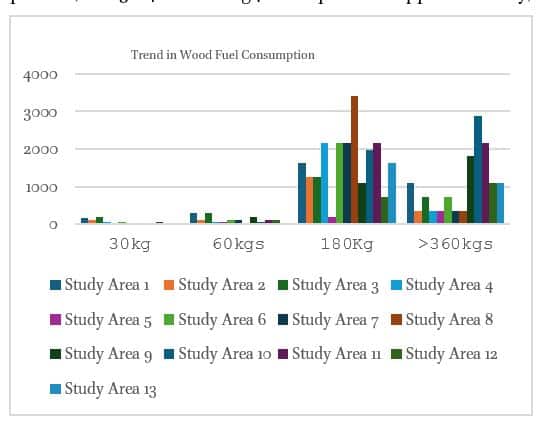
Figure 5: Score for a Low-Carbon Strategy Uptake
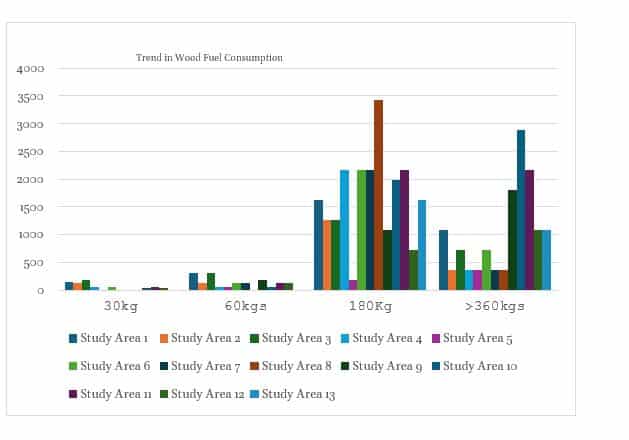
| Figure 6 Wood fuel consumption pattern across the study area |
The analysis of household perceptions towards the low-carbon emission strategy revealed a predominantly positive orientation, with scores ranging from approximately 50% to over 80% favorability. The study further disaggregated the strategy into its constituent components, including promoting energy efficiency through the substitution of wood fuel, adopting conservation agriculture, implementing destocking practices, implementing fiscal measures such as carbon taxes, and participating in carbon trading schemes. Each of these components received considerable support, as reflected in high levels of agreement on the Likert scale.
The analysis then shifted to wood-fuel consumption patterns across the 13 study areas, enabling the calculation of consumption disparities and the identification of methods to introduce and implement the cap-and-trade carbon credit mechanism.
The results reveal that a minority of households are classified as low consumers, utilising up to 60 kg of wood fuel. Still, beyond this threshold, consumption rates increase markedly, with most areas’ usage clustered approximately at 180 kgs, equivalent to a full scotch cart load, and sharply rising to the highest level of 360 kgs, equivalent to two scotch cart loads per month, designated for domestic needs. This trend is depicted in Figure 6.
An analysis of consumption patterns across the study population revealed distinct and disproportionate distributional trends. These findings are illustrated in Figure 7.
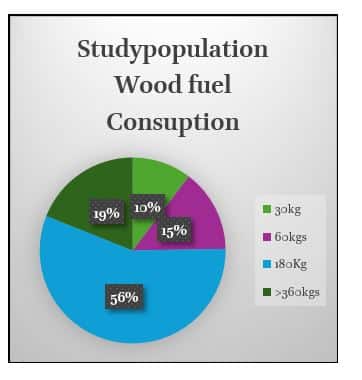
Figure 7 Carbon Footprint per Segment
The group consuming 180 kg of wood fuel per household per month represented the highest proportion, accounting for 56% of the sample. The highest consumption group accounted for 19% (360 kg), more than eight times the average consumption of the lowest consumers, around 45kg. Further probing indicates that 56% (180 Kg/month/household) of consumers, who are the majority and incidentally consume between one-eighth and around half of the higher consumption group, create a disproportionate consumption pattern within a local area of a common-pool resource or shared natural resources. However, the consequential impacts affect everyone across the board and are more significant among low-income consumers, particularly in vulnerable poor households that may not cook regularly.
The analysis used household wood fuel consumption as a key indicator to assess its spatial distribution at the sub-district level, thereby establishing a direct link to observed patterns of environmental degradation. Elevated rates of wood fuel usage were found to correspond with areas exhibiting pronounced ecological decline, as evidenced by both graphical data and photographic documentation. This association highlights the contribution of intensive deforestation, partly associated with wood-fuel extraction and overgrazing, to land degradation processes, including deforestation and soil siltation, which are evident in the study area (Figs. 8 and 9).
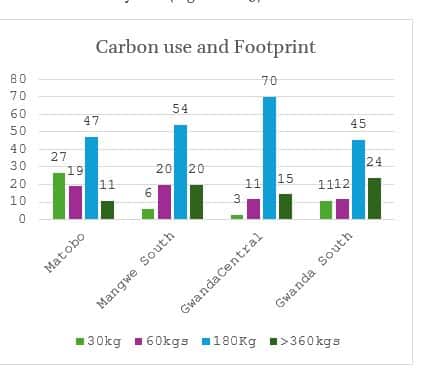
Figure 8 Carbon Use and the Related Average Household Carbon Footprint
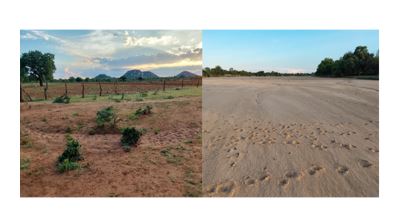
Figure 9: Deforested and Degraded Stretch of Land and a Heavily Silted Riverbed, Typical of the Study Area
In this context, Gwanda Central (Fig. 5) exhibited the highest proportion of wood fuel consumers, with over 70% categorized as high consumers and a further 15% classified within the highest usage group. Notably, Gwanda South emerged as the most ecologically degraded area, distinguished by the prevalence of sparse secondary acacia growth, a clear indicator of incipient desertification. In the Matobo district, 45% of wood fuel consumers fell into the lower weight brackets of 30 kg and 60 kg.
- Assessment of Household Carbon Footprint
A quantitative evaluation of household-level carbon footprints was conducted, with particular emphasis on emissions attributable to wood-fuel consumption. This analysis aimed to establish wood fuel utilization as a representative indicator of domestic carbon emissions. The findings are summarized in Table 1, which presents monthly average household wood fuel consumption values ranging from 123 kg to over 236 kilograms, alongside the corresponding estimates of total carbon emissions and per capita carbon footprint.
| Study Area | 30kgs | 60kgs | 180kg | >360kgs | Total | Wood fuel/HH | Daily Cons. | Per Capita
Carbon Footprint |
| Study Area1 | 150 | 300 | 1620 | 1080 | 3150 | 143 | 5 | 236 |
| Study Area2 | 120 | 120 | 1260 | 360 | 1860 | 143 | 5 | 236 |
| Study Area3 | 180 | 300 | 1260 | 720 | 2460 | 123 | 4 | 203 |
| Study Area4 | 60 | 60 | 2160 | 360 | 2640 | 165 | 6 | 272 |
| Study Area5 | 0 | 60 | 180 | 360 | 600 | 200 | 7 | 330 |
| Study Area6 | 60 | 120 | 2160 | 720 | 3060 | 170 | 6 | 281 |
| Study Area7 | 0 | 120 | 2160 | 360 | 2640 | 176 | 6 | 290 |
| Study Area8 | 0 | 0 | 3420 | 360 | 3780 | 180 | 6 | 297 |
| Study Area9 | 0 | 180 | 1080 | 1800 | 3060 | 219 | 7 | 361 |
| Study Area10 | 30 | 60 | 1980 | 2880 | 4950 | 236 | 8 | 389 |
| Study Area11 | 60 | 120 | 2160 | 2160 | 4500 | 188 | 6 | 309 |
| Study Area12 | 30 | 120 | 720 | 1080 | 1950 | 195 | 7 | 322 |
| Study Area13 | 0 | 0 | 1620 | 1080 | 2700 | 150 | 5 | 248 |
Table 1 The household carbon footprint
NB: 1 Kg of wood holds about 1.65 to 1.80 Kg of CO2; hence, burning of 1 kg of wood will generate 1.65 to 1.80 Kg of CO2 average of 1.73Kg of CO2. X by the total Kg consumed gives the total CO2 [23] The study used the factor of 1.65kg. National Consumption is 12kg/day.
Analysis of daily wood fuel consumption across the study areas reveals an average household use of 4-8 kg for domestic activities, which is still lower than the national average, pegged at around 12kg. However, these averages may obscure significant variations among individual families, as well as the scarcity and density of natural resources. Indeed, some consume as little as 1 kg per day, while others exceed 12 kg daily. Such disparities in consumption patterns raise critical concerns regarding allocation efficiency and the principles underpinning equitable resource distribution.
- The Incentive Types to Enhance Low-Carbon Strategy
The community was assessed to determine its readiness to adopt a low-carbon strategy and identify potential incentives to encourage this shift. This finding highlighted a heavy reliance on wood fuel, so the evaluation focused on possible incentives to foster a desire for change and promote a transition to lower consumption levels. A Likert scale was employed to score various parameters that contribute to and reflect the direction of this change.
Figure 10 illustrates the distribution of respondents’ perceptions of the implementation of low-carbon emission strategies, along with the associated drivers and incentives, including carbon trading and related mechanisms. Most responses fell within the 21–40 range (corresponding to 51–100% on the Likert scale), indicating a strong proclivity among community members to implement low-carbon economic strategies at the household level. Notably, initiatives related to energy efficiency and carbon trading attracted particularly pronounced approval, suggesting widespread readiness to adopt environmentally sustainable practices within the study population.
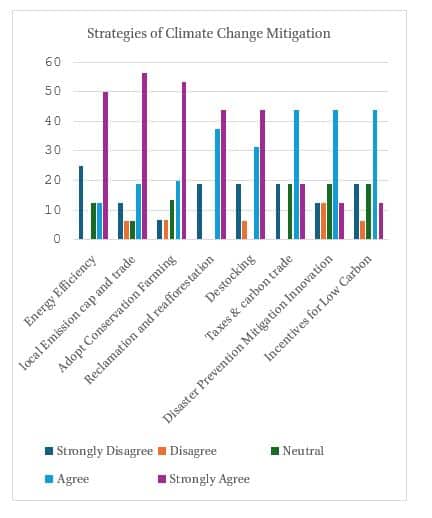
Figure 10: Perception of Strategies of Climate Change Mitigation
It is essential to highlight that over 25% of respondents strongly disagreed with initiatives aimed at enhancing energy efficiency or reducing wood fuel consumption, representing the most significant negative perception within the assessed categories. This pronounced level of opposition indicates that such interventions may be particularly contentious. While overall support for energy-efficient measures was high, the study did not detail which demographic groups were resistant to change, highlighting the need for tailored engagement strategies.
- Elements of the Adoption of Low-Carbon Mechanisms to Stimulate Transition
A deeper analysis examined the complex relationship between community perceptions and the strategic adoption of low-carbon mechanisms and incentives. Findings depicted in Figure 7 reveal that, while there is substantial consensus within the study area regarding the overarching principles of low-carbon strategies, a marked reluctance remains to embrace economic incentives designed to facilitate this transition due to institutional incoherences and capacity issues. The comparative data presented in Figures 12 and 11 emphasize these trends, illustrating the divergence between theoretical acceptance and practical willingness to engage with incentive mechanisms, leaving a community engagement gap.
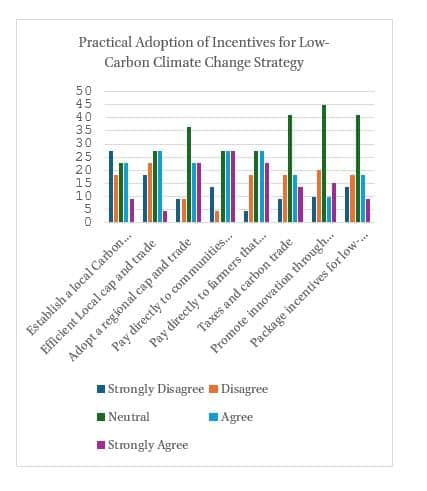
Figure 11: Assessment of Perception of Low-Carbon Mechanism
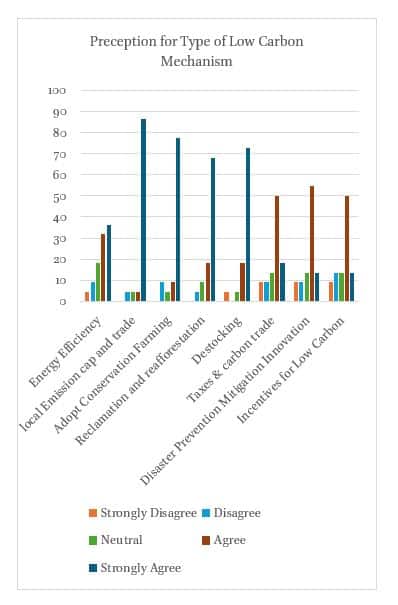
Figure 12: Incentive for Climate Change Mitigation to Stimulate Transition
The data indicate that most respondents display a neutral stance towards incentives intended to encourage the adoption of low-carbon strategies. Disaggregation of responses reveals that incentives structured to benefit individuals, such as direct payments or subsidies, are associated with a higher proportion of positive responses and a greater willingness among recipients to adopt innovative, climate-smart practices. In contrast, incentives delivered as packages to community groups or incorporated into communal infrastructure are met with greater skepticism and negative feedback, as evidenced by lower agreement rates among respondents.
The data further demonstrates that receptivity to incentives may be linked to negative internalized perceptions, as shown in the results for perceptions of low-carbon strategies. These include strong disagreements on taxes and carbon trading, disaster prevention, and mitigation, as well as community-based compensation incentives (Fig. 12). In this analysis, respondents in remote areas, who heavily depend on wood fuel and have limited alternative income sources, appear to show less enthusiasm for incentive mechanisms that focus on group benefits, regardless of how they are presented. Additionally, the respondent noted that past experiences with resource management and Program implementation have not produced significant benefits, despite efforts to promote innovation through incentives, as reflected in the data.
{For example, comments noted frequently were: Asizuzi ncendo thina lapha, akula muntu oyakhe abuye kithi azosisiza ngento ebambekayo lalokhu akuncedi vele. (We hardly receive any help here; we have not had any tangible initiatives, and no one comes to help us.)}
This statement reflects a sense of frustration and disillusionment among community members who feel that past initiatives have failed to deliver tangible benefits. It emphasizes their perception that outside assistance is rare and often ineffective in meeting their real needs. To unpack this nuanced feeling, a proposed community engagement approach for alternative sources is outlined in the next section, aiming to communicate the desired transition based on these results.
- Discussion
- Overview
The transition towards low-carbon strategies in rural, resource-dependent communities remains a formidable challenge in both practical and conceptual terms. The data presented in the result section illuminate the complexities of household perceptions, incentive structures, and the possible socio-economic landscape that mediate the adoption of climate-smart practices. This discussion critically engages with these results, interrogating their significance in the context of established scholarship and highlighting critical arguments that warrant nuanced consideration.
5.2. Demographic and Socioeconomic Issues
This study found that a distinctive population, including the Ndebele, Kalanga, and Sotho ethnic groups, characterize the southern wards of the Matabeleland South region. This diversity creates a unique opportunity to apply institutional theory for change management. The niche point of the Ndebele language highlights the importance of cultural identity as a link to influence social interactions and economic behavior in the area.[24]Nerlich et al. emphasize the importance of taking a pragmatic approach to tackle the challenges in climate change communication and barriers to behavior change. These should be addressed alongside the community participation and behavior framework, which is strongly connected to the COM-B model. They suggest that it is essential to strategically use persuasive language, including metaphors, catchy phrases, practical strategies, framing techniques, and narratives, to convey climate change issues to stakeholders effectively, as projected in the community participation and behaviour change framework. This perspective aligns with the findings of this study, which highlights that Ndebele, as a common language, facilitates effective communication regarding climate change across different ethnic groups, thereby building a strong awareness and institutional capacity for change that is resilient and grounded in understanding. In fact, one of the gaps that appears in the literature is the lack of effective communication for change that fosters clarity, alignment, and understanding across a community during transitions, ensuring the consistent application of change management principles and leading to more cohesive and successful change initiatives.[25]
In a subsistence economy characterized by rainfed mixed cropping and small animal rearing, such as goats and sheep, women must play an active role in decision-making processes across various institutional levels. This highlights the importance of affirmative action in breaking down barriers, enabling marginalized groups like women and youth to participate actively in climate change initiatives, especially when financial incentives are involved, thereby reducing disparities and promoting adherence to the principles of a just system transition.[26] Given the persisting economic hardships, marked by high unemployment and underemployment and exacerbated by adverse climate phenomena, the theory of change and green financial behavior becomes critical.[27]
Further, the study noted an ongoing transformation in the housing landscape, from a majority ‘pole and dagga’ huts to a majority of homesteads having their house build of modern material, except for the kitchen, that appear to be built on conventional materials, maybe reinforcing cultural norms, the appearance of innovative, resilient structures, highlights an essential shift towards sustainable economic development.[28] This aligns with green financial behavior, as argued by the World Green Building Council, which suggests that such buildings comply with several SDG goals and can be promoted through packaged investments that incentivize eco-friendly practices and infrastructure, creating an indelible cultural shift. By nurturing an environment that supports green financial initiatives, stakeholders can encourage communities to adopt sustainable architectural practices that prioritize durability and environmental stewardship, thereby reducing the use of forestry resources and grass in Matabeleland’s already overgrazed and deforested areas.
- Perceptions of Low-Carbon Strategies: Progress and Persistent Resistance
The survey demonstrates a generally positive orientation toward low-carbon strategies, with many respondents scoring within the 21–40 range on the Likert scale, indicating a favorability of 51–100%. This trend appears to echo patterns observed in other rural contexts, where direct exposure to environmental degradation fosters an appreciation for sustainable interventions.[29] Nevertheless, pronounced resistance persists in specific locales, particularly in Study Area 4 (Mangwe District), where economic insecurity and a strong attachment to traditional fuels are notable in the absence of viable alternatives.
These observations are consistent with Shove’s (2010) arguments, which contend that resistance to equitable transitions is often rooted in disruptions to established practices and local norms rather than in knowledge deficits alone. Shove promotes a comprehensive “ABC” (Attitude-Behavior-Choice) model in climate policy, arguing that a piecemeal and superficial approach is inadequate for fostering substantial low-carbon transformation. Instead, Shove advocates for the integration of broader social precepts of the model that account for the influence of habits, infrastructure, and social norms on behavioral change, beyond individual attitudes and choices.
This perspective aligns with the COM-B (Capability, Opportunity, Motivation and Behavior) model, which emphasizes the necessity of embedding behavioral change within institutional capacity-building and knowledge integration.[30] The COM-B model proposes that creating opportunities that are both attractive and contextually appropriate can effectively motivate individuals, thereby facilitating the adoption of new behaviors. Together, these theoretical principles emphasize the importance of designing interventions that move beyond individual incentives, recognizing the complex interplay among social structures, institutional contexts, and personal motivations in shaping the adoption of low-carbon strategies, as outlined in the theory of change and transition.
Notwithstanding the positive elements of the above theories, Sovacool and Hess (2017) caution that positive survey responses may mask latent skepticism, especially where respondents perceive that acknowledging support for a policy is associated with future benefit. Thus, while surface-level favorability appears robust, genuine commitment to behavioral change may depend on the perceived reliability and tangibility of the proposed interventions. [31] Furthermore, Lokhorst et al. emphasize that behavioral commitment, particularly when individuals pledge to act, can significantly influence both immediate and sustained behavioral change. Nonetheless, the underlying psychological mechanisms require further investigation, especially in a remote area like Matabeleland South, beset by socio-economic and ecological marginalization.
- Carbon Footprint and Resource Inequality
The data reveals stark disparities in wood fuel consumption across the studied areas, with most households consuming up to 180 kg per month and certain groups reaching up to 360 kg. Such unevenness in usage maps directly onto patterns of environmental degradation, corroborating Ostrom’s (1992) findings that the tragedy of the commons is often exacerbated by inequitable access and consumption of shared resources. The challenge aligns with the big five, which include pastures, fisheries, forests, irrigation systems, and water management, as an intricate study of the commons.[32] The fact that low-income households, who are most vulnerable to resource scarcity, also face the steepest environmental externalities highlights the urgent need for integrated justice dimensions in energy transitions, both locally and internationally.[33]
Incidentally, the concept of environmental justice has evolved, now encompassing broader notions of injustice that extend beyond mere inequity and embracing more pluralistic views of social justice.[34] This progression has seen the term applied to a wider range of issues, on both global and local scales, thereby deepening understanding of the human relationship with the non-human world, especially in the context of climate change-induced disparities, as is the case in Matabeleland South. However, critics argue that such expansive definitions risk diluting the focus of environmental justice, potentially making interventions less targeted and less effective in addressing specific, tangible harms.
Some scholars, however, argue that focusing exclusively on household consumption risks obscuring the structural drivers of deforestation, such as commercial logging, poorly enforced land tenure, and macroeconomic instability.[35] Thus, interventions targeting only domestic wood fuel use, as is the case in the study, may inadvertently overlook broader systemic levers that ultimately shape community behavior, such as grazing dynamics and other unsustainable land-use practices, including subsistence crop production, as is the case in the study area. [36] Therefore, effective climate policy in rural settings demands a holistic approach that recognizes the interconnectedness of various livelihood practices and their cumulative impact on emissions.
- Effectiveness and Acceptance of Incentive Structures
A core finding is the divergent reception of individualized versus collective incentives. Individual-targeted mechanisms—such as direct payments and subsidies—garnered greater approval, whereas group-based or infrastructural incentives were met with skepticism or indifference. This aligns with the literature on conditional cash transfers and targeted subsidies, which have shown measurable, albeit sometimes short-lived, impacts on the adoption of new practices.[37] Typically, the region is no stranger to group incentives, as demonstrated by the CAMPFIRE program. This program focuses on wildlife management and compensation for loss and damage caused by wildlife, with payments to the community made through infrastructure development under the local authority’s governance. [38]
Yet, resistance to group incentives may reflect more profound mistrust stemming from such past project failures and the erosion of collective efficacy, a phenomenon widely documented in the rural development literature.[39] Moreover, as highlighted by Béné et al. (2018), a sole focus on individual incentives risks undermining communal solidarity and can inadvertently foster dependency, rather than resilience. However, the sustainability of individualized incentive-driven behavior change attracts further criticism.[40] Some scholars argue that monetary incentives may crowd out intrinsic motivation, resulting in rebound effects when external rewards are withdrawn.[41] Thus, the design of incentive structures must be context-sensitive and complemented by long-term engagement strategies.
- Elements of the Adoption of Low-carbon Mechanism and Stimulative Transition
The results indicate that most respondents are rural residents with low incomes. Notably, there is significant variation in responses across demographic and socioeconomic backgrounds, underscoring the need to design interventions that are sensitive to the economic realities of different groups.[42] The findings align with the literature, which shows that factors such as educational attainment, gender, and the diversity of livelihood strategies influence community attitudes toward adopting climate-smart solutions.[43] However, when communities perceive new policies as a potential threat to their established means of survival, they remain reluctant to embrace change, regardless of the incentives offered.[44] This pattern reaffirms the critical importance of context-specific design in climate policy interventions.
Community engagement and participatory planning are increasingly recognized as essential mechanisms for overcoming initial reluctance to adopt new interventions, as they foster a sense of ownership and trust among local stakeholders.[45] By involving communities directly in the design and implementation of projects, interventions are more likely to align with local needs and knowledge, thereby enhancing their long-term effectiveness. As Adger et al. (2009) argue, such collaborative approaches not only empower communities but also ensure that adaptation strategies build upon, rather than undermine, existing local capacities.
Wood fuel remains the primary energy source in all wards studied, with no viable alternatives, such as biogas or solar cookers, being available or promoted. Observations confirm that cleaner energy options for heating and cooking are scarce or hard to access. This reliance on wood fuel as a measure of household carbon emissions may overlook other significant sources, such as burning agricultural residues, livestock emissions, and waste management.[46] Seddon et al. (2021) further note that a more comprehensive approach is needed to accurately capture community-level emissions. To enhance low-carbon adoption, economic incentives should be directly tailored to local needs, offering grants or access to green financial technologies, such as pay-as-you-go and rent-to-buy facilities, and through equitable, context-sensitive green financial schemes. [47]
- Integrating Community Engagement and Behavioral Theory in Low-Carbon Transitions
The findings emphasize the complex interplay between institutional, community, and organizational actors in shaping the path towards the adoption of low-carbon strategies in resource-dependent rural contexts. The application of the COM-B model—focusing on Capability, Opportunity, and Motivation as prerequisites for Behavioral change—offers an essential lens through which to interpret local responses to climate interventions.[48] Institutional capability, as represented by local councils, is foundational, providing both the technical and regulatory frameworks needed for successful low-carbon transitions.[49] However, these structures alone are insufficient; bridging the gap between policy and practice necessitates meaningful engagement with the community’s lived realities and cultural context.[50]
The research reveals that opportunities for behavioral change are most effectively realized when interventions are aligned with local priorities and co-developed through participatory mechanisms. This participatory approach enhances the legitimacy and effectiveness of interventions, fostering trust and ownership among target communities.[51] The role of non-governmental organizations is similarly pivotal; as intermediaries, NGOs facilitate resource mobilization, sustain collective motivation, and provide platforms for ongoing dialogue and education.[52]
Notably, adaptive feedback loops, in which communities and institutions iteratively learn from the outcomes of interventions, are a critical mechanism for building resilience and fostering reflexivity. This iterative process ensures that interventions remain responsive to both anticipated and emergent needs, thereby enhancing the potential for sustained behavioral change.[53] The emphasis on spatial equity within this conceptual framework further aligns with calls for place-based justice in energy transitions, advocating for context-specific strategies that account for differential vulnerabilities and resource access across regions.[54]
Despite the strengths of these approaches, the findings also echo persistent challenges. Economic vulnerability and institutional incoherence remain significant barriers to the widespread adoption of low-carbon strategies, as communities may be reticent to engage with new incentive structures in the absence of demonstrable, tangible benefits.[55] Moreover, the historical context of ineffective interventions perpetuates skepticism, particularly where past initiatives have failed to translate into substantial improvements in livelihoods.[56]
- Conclusion and Policy Implications for IGOs
In conclusion, this research highlights the complex interplay between community attitudes, institutional capabilities, and socioeconomic realities in advancing low-carbon strategies within rural contexts. The study’s findings carry important implications for policymaking, not only at the grassroots level but also across regional and continental platforms, including the African Union (AU), the Southern African Development Community (SADC), Zimbabwe, and its local communities.
At the continental level, the African Union stands at a pivotal crossroads in shaping the future of sustainable development for member states. By adopting participatory and context-sensitive frameworks informed by behavioral theory—such as the COM-B model, the AU can encourage harmonized approaches that respect local realities while promoting resilience and social equity. This research suggests that policies rooted in genuine community engagement and adaptive learning can significantly improve the effectiveness and legitimacy of climate interventions across diverse African settings.
For the SADC region, whose member states grapple with shared environmental challenges and socioeconomic vulnerabilities, the study emphasizes the necessity of transboundary cooperation and knowledge exchange. SADC can play a catalytic role by facilitating regional platforms for policy dialogue, resource mobilization, and technical assistance, all while championing models that prioritize equity, local knowledge, and iterative feedback. Regional policy frameworks should therefore advocate for robust feedback mechanisms that enable communities and institutions to co-create and refine solutions in real time.
Zooming in on Zimbabwe, the research’s implications are particularly resonant. The continued reliance on wood fuel, limited access to alternative energy sources, and entrenched economic vulnerabilities point to the urgency of tailored interventions. National policies must prioritize context-specific incentives—such as grants, accessible financial technologies, and participatory planning—that reflect the lived realities of rural populations. Furthermore, strengthening local councils’ capacity and supporting NGOs’ intermediary role can better align policy intentions with on-the-ground impact.
At the local level, the study reaffirms the vital importance of empowering communities through inclusive decision-making, education, and trust-building. Interventions must honor existing capacities and knowledge, while ensuring that adaptation strategies are not simply imposed, but co-created and iteratively improved. This approach increases the likelihood of sustained behavioral change and the realization of climate resilience and social justice.
The cascading effect of well-designed, participatory, and adaptive policies—from the African Union, through SADC, to national and local actors in Zimbabwe—can transform climate governance landscapes. Integrating behavioral insights and fostering genuine community ownership are critical for unlocking the potential of low-carbon transitions across Africa’s diverse and vulnerable rural communities. By embedding equity, procedural fairness, and feedback-driven learning into policy frameworks, stakeholders at all levels can accelerate the journey towards a resilient, inclusive, and sustainable future.
6. Conflict of Interest
The author states that there is no conflict of interest.
7. Acknowledgment
I acknowledge Euclid University, the supervisory team, Matabeleland South Rural District Councils, and the participating NGOs for their support of my studies and research.
References
Barrera-Osorio, Felipe, Adriana Kugler, and Mikko Silliman. ‘Hard and Soft Skills in Vocational Training: Experimental Evidence from Colombia’. The World Bank Economic Review 37, no. 3 (2023): 409–36. https://doi.org/10.1093/wber/lhad007.
Beckett, John, and Michael Turner. ‘Land Reform and the English Land Market, 1880–1925’. In The Land Question in Britain, 1750–1950, edited by Matthew Cragoe and Paul Readman. Palgrave Macmillan UK, 2010. https://doi.org/10.1057/9780230248472_13.
Bellassen, Valentin, Nicolas Stephan, Marion Afriat, et al. ‘Monitoring, Reporting and Verifying Emissions in the Climate Economy’. Nature Climate Change 5, no. 4 (2015): 319–28. https://doi.org/10.1038/nclimate2544.
Béné, Christophe, Peter Oosterveer, Lea Lamotte, et al. ‘When Food Systems Meet Sustainability – Current Narratives and Implications for Actions’. World Development 113 (January 2019): 116–30. https://doi.org/10.1016/j.worlddev.2018.08.011.
Bergin, Tiffany. An Introduction to Data Analysis : Quantitative, Qualitative and Mixed Methods. SAGE Publications Ltd, 2018, 1–296.
Bradley, Simon. ‘Swiss Carbon Offset Giant Pulls Plug on Zimbabwe Project amid Allegations’. SWI Swissinfo.Ch, 27 October 2023. https://www.swissinfo.ch/eng/sci-tech/swiss-carbon-offset-giant-pulls-plug-zimbabwe-project-amid-forest-protection-allegations/48927908.
Brock, Thomas. ‘GDP Per Capita: Definition, Uses, and Highest Per Country’. Investopedia, 2024. https://www.investopedia.com/terms/p/per-capita-gdp.asp.
Bryan, Elizabeth, Muzna Alvi, Sophia Huyer, and Claudia Ringler. ‘Addressing Gender Inequalities and Strengthening Women’s Agency to Create More Climate-Resilient and Sustainable Food Systems’. Global Food Security 40 (March 2024): 100731. https://doi.org/10.1016/j.gfs.2023.100731.
Bryan, Elizabeth, Claudia Ringler, Barrack Okoba, Carla Roncoli, Silvia Silvestri, and Mario Herrero. ‘Adapting Agriculture to Climate Change in Kenya: Household Strategies and Determinants’. Journal of Environmental Management 114 (January 2013): 26–35. https://doi.org/10.1016/j.jenvman.2012.10.036.
Chanza, Nelson, and Walter Musakwa. ‘Indigenous Practices of Ecosystem Management in a Changing Climate: Prospects for Ecosystem-Based Adaptation’. Environmental Science & Policy 126 (2021): 142–51.
Chiang, Felicia, Omid Mazdiyasni, and Amir AghaKouchak. ‘Evidence of Anthropogenic Impacts on Global Drought Frequency, Duration, and Intensity’. Nature Communications 12, no. 1 (2021): 1. https://doi.org/10.1038/s41467-021-22314-w.
Cook, Cynthia C. ‘Demography of the Project Population’. In Methods For Social Analysis In Developing Countries. Routledge, 1990.
Dodman, David, and Dianna Mitlin. ‘The National and Local Politics of Climate Change Adaptation in Zimbabwe |’. ResearchGate, 7 February 2025. https://www.researchgate.net/publication/272121043_The_national_and_local_politics_of_climate_change_adaptation_in_Zimbabwe.
Dzingirai, Vupenyu, and Lindiwe Mangwanya. ‘Struggles Over Carbon in the Zambezi Valley: The Case of Kariba REDD in Hurungwe, Zimbabwe’. In Carbon Conflicts and Forest Landscapes in Africa. Routledge, 2015.
Fairhead, James, Leach ,Melissa, and Ian and Scoones. ‘Green Grabbing: A New Appropriation of Nature?’ The Journal of Peasant Studies 39, no. 2 (2012): 237–61. https://doi.org/10.1080/03066150.2012.671770.
Frost, P., and I. Bond. ‘The CAMPFIRE Programme in Zimbabwe: Payments for Wildlife Services’. Undefined, 2008. https://www.semanticscholar.org/paper/Impacts-of-natural-resource-management-programmes-%E2%80%93-Harrison/e0a00e3cc66ac207e5e3b69068d7fb6cadc23d48.
Gneezy, Uri, Agne Kajackaite, and Stephan Meier. ‘Incentive-Based Interventions’. In In: Hagger, Martin S. Cameron, Linda D. Hamilton, Kyra Hankonen, Nelli Lintunen, Taru (Ed.): The Handbook of Behavior Change. New York, NY: Cambridge University Press, 2020. https://doi.org/10.1017/9781108677318.036.
Haberl, Helmut, Dominik Wiedenhofer, Doris Virág, et al. ‘A Systematic Review of the Evidence on Decoupling of GDP, Resource Use and GHG Emissions, Part II: Synthesizing the Insights’. Environmental Research Letters 15, no. 6 (2020): 065003. https://doi.org/10.1088/1748-9326/ab842a.
Hahn, Robert W, and Obert N. Stavins,. ‘Economic Incentives for Environmental Protection: Integrating Theory and Practice.’ CSIA Discussion Paper 91-15, Kennedy School of Government, Harvard University, December 1991., 1991, 16.
Harris, Richard, Ron Johnson, and Simon Burges. ‘Neighbourhood, Ethnicity and School Choice: Developing a Statistical Framework for Geodemographic Analysis.’ Population Research and Policy Review 26, nos 5–6 (2007): 553–79.
Henderson, Lesley, and Christopher Green. ‘Making Sense of Microplastics? Public Understandings of Plastic Pollution’. Marine Pollution Bulletin 152 (March 2020): 110908. https://doi.org/10.1016/j.marpolbul.2020.110908.
Kaltimber. ‘How Much CO2 Is Stored in 1 Kg of Wood?’ Kaltimber – Timber Merchant – Flooring Shop, 2017. https://www.kaltimber.com/blog/2017/6/19/how-much-co2-is-stored-in-1-kg-of-wood.
Laerhoven, Frank van, Michael Schoon, and Sergio Villamayor-Tomas. ‘Celebrating the 30th Anniversary of Ostrom’s Governing the Commons: Traditions and Trends in the Study of the Commons, Revisited’. International Journal of the Commons 14, no. 1 (2020). https://doi.org/10.5334/ijc.1030.
Leach, Melissa, Robin Mearns, and Ian Scoones. ‘Environmental Entitlements: Dynamics and Institutions in Community-Based Natural Resource Management’. World Development 27, no. 2 (1999): 225–47.
Leach, Melissa, Robin Mearns, and Ian Scoones. ‘Environmental Entitlements: Dynamics and Institutions in Community-Based Natural Resource Management’. World Development 27, no. 2 (1999): 225–47. https://doi.org/10.1016/S0305-750X(98)00141-7.
Liyama, Miyuki, Henry Neufeldt, Philip Dobie, Mary Njenga, Geoffrey Ndegwa, and Ramni Jamnadass. ‘The Potential of Agroforestry in the Provision of Sustainable Woodfuel in Sub-Saharan Africa’. Current Opinion in Environmental Sustainability, Sustainability challenges, vol. 6 (2014): 138–47. https://doi.org/10.1016/j.cosust.2013.12.003.
Lokhorst, Anne Marike, Carol Werner, Henk Staats, Eric van Dijk, and Jeff L. Gale. ‘Commitment and Behavior Change: A Meta-Analysis and Critical Review of Commitment-Making Strategies in Environmental Research’. Environment and Behavior 45, no. 1 (2013): 3–34. https://doi.org/10.1177/0013916511411477.
Mansuri, Ghazala, and Vijayendra Rao. ‘Can Participation Be Induced? Some Evidence from Developing Countries 1’. Critical Review of International Social and Political Philosophy 16, no. 2 (2013): 284–304. https://doi.org/10.1080/13698230.2012.757918.
Matondi, Prosper B., and Marleen Dekker. Land Rights and Tenure Security in Zimbabwe’s Post Fast Track Land Reform Programme; A Synthesis Report for LandAc. LandAc, 2011. https://www.humanitarianlibrary.org/sites/default/files/2013/08/Zimbabwe_RuzivoTrust_ASC_0.pdf.
Matsvange, Diego, Ruvimbo Sagonda, and Munyaradzi Kaundikiza. ‘The Role of Communities in Sustainable Land and Forest Management: The Case of Nyanga, Zvimba and Guruve Districts of Zimbabwe’. Jàmbá: Journal of Disaster Risk Studies 8, no. 3 (2016): 3. farmers. https://doi.org/10.4102/jamba.v8i3.281.
Miller, Kelsey. ‘The Triple Bottom Line: What It Is & Why It’s Important’. Business Insights Blog, 2020. https://online.hbs.edu/blog/post/what-is-the-triple-bottom-line.
Ministry of Environment, Climate, Tourism and Hospitality Industry. Zimbabwe Low Emissions Development Strategy –. 2025. http://www.envirotourism.org.zw/download/zimbabwe-low-emissions-development-strategy/.
Mohamad, Azhar. ‘Green and Climate Finance Research Trends: A Bibliometric Study of Pre- and Post-Pandemic Shifts’. Cleaner Production Letters 8 (June 2025): 100098. https://doi.org/10.1016/j.clpl.2025.100098.
Mutengu, S., Z. Hoko, and F. S. Makoni. ‘An Assessment of the Public Health Hazard Potential of Wastewater Reuse for Crop Production. A Case of Bulawayo City, Zimbabwe’. Physics and Chemistry of The Earth 32 (2007). /paper/An-assessment-of-the-public-health-hazard-potential-Mutengu-Hoko/dab60b69234e9664b952c330139827d40d3a8aa0.
Nathan, Iben, and Maya Pasgaard. ‘Is REDD+ Effective, Efficient, and Equitable? Learning from a REDD+ Project in Northern Cambodia’. Geoforum 83 (2017): 26–38. https://doi.org/10.1016/j.geoforum.2017.04.020.
Nerlich, Brigitte, Nelya Koteyko, and Brian Brown. ‘Theory and Language of Climate Change Communication’. WIREs Climate Change 1, no. 1 (2010): 97–110. https://doi.org/10.1002/wcc.2.
Olabanji, Mary Funke, and Munyaradzi Chitakira. ‘The Adoption and Scaling of Climate-Smart Agriculture Innovation by Smallholder Farmers in South Africa: A Review of Institutional Mechanisms, Policy Frameworks and Market Dynamics’. World 6, no. 2 (2025): 2. https://doi.org/10.3390/world6020051.
Ostrom, Elinor. Governing the Commons: The Evolution of Institutions for Collective Action. Reissue edition. Cambridge University Press, 2015.
Ostrom, Elinor. ‘Polycentric Systems for Coping with Collective Action and Global Environmental Change’. Global Environmental Change, 20th Anniversary Special Issue, vol. 20, no. 4 (2010): 550–57. https://doi.org/10.1016/j.gloenvcha.2010.07.004.
Ostrom, Elinor. The Future of the Commons: Beyond Market Failure & Government Regulations. London Publishing Partnership, 2012.
Pearse, Rebecca, David Schlosberg, Lauren Rickards, Hannah Della Bosca, Oli Moraes, and Lisa de Kleyn. ‘Compounding Barriers to Environmental Justice’. Local Environment 0, no. 0 (2025): 1–16. https://doi.org/10.1080/13549839.2025.2471005.
Pickering, Jonathan, Thomas Hickmann, Karin Bäckstrand, et al. ‘Democratising Sustainability Transformations: Assessing the Transformative Potential of Democratic Practices in Environmental Governance’. Earth System Governance 11 (January 2022): 100131. https://doi.org/10.1016/j.esg.2021.100131.
Ribot, Jesse C., Arun Agrawal, and Anne M. Larson. ‘Recentralizing While Decentralizing: How National Governments Reappropriate Forest Resources’. World Development, Rescaling Governance and the Impacts of Political and Environmental Decentralization, vol. 34, no. 11 (2006): 1864–86. https://doi.org/10.1016/j.worlddev.2005.11.020.
Schlosberg, David. ‘Reconceiving Environmental Justice: Global Movements And Political Theories’. Environmental Politics 13, no. 3 (2004): 517–40. https://doi.org/10.1080/0964401042000229025.
Schlosberg, David. ‘Theorising Environmental Justice: The Expanding Sphere of a Discourse’. Environmental Politics 22, no. 1 (2013): 37–55. https://doi.org/10.1080/09644016.2013.755387.
Schlosberg, David, Lauren Rickards, Rebecca Pearse, Hannah Della Bosca, and Oli Moraes. ‘Critical Environmental Justice in Contemporary Scholarship and Movements: Consensus and Plurality of the Discourse’. Environmental Politics 34, no. 3 (2025): 399–420. https://doi.org/10.1080/09644016.2024.2362573.
Seddon, Nathalie, Alison Smith, Pete Smith, et al. ‘Getting the Message Right on Nature-Based Solutions to Climate Change’. Global Change Biology 27, no. 8 (2021): 1518–46. https://doi.org/10.1111/gcb.15513.
Shemshad, Masoomeh, Agnieszka Synowiec, Marcin Kopyra, and Zsófia Benedek. ‘The Community-Driven Ecosystem Resilience and Equity Framework: A Novel Approach for Social Resilience in Ecosystem Services’. Sustainability 17, no. 8 (2025): 8. https://doi.org/10.3390/su17083452.
Shereni, Ngoni Courage, and Jarkko and Saarinen. ‘Community Perceptions on the Benefits and Challenges of Community-Based Natural Resources Management in Zimbabwe’. Development Southern Africa 38, no. 6 (2021): 879–95. https://doi.org/10.1080/0376835X.2020.1796599.
Shove, Elizabeth. ‘Beyond the ABC: Climate Change Policy and Theories of Social Change’. Environment and Planning A: Economy and Space 42, no. 6 (2010): 1273–85. https://doi.org/10.1068/a42282.
Sovacool, Benjamin K., and David J. Hess. ‘Ordering Theories: Typologies and Conceptual Frameworks for Sociotechnical Change’. Social Studies of Science 47, no. 5 (2017): 703–50. https://doi.org/10.1177/0306312717709363.
Suich, Helen. ‘The Effectiveness of Economic Incentives for Sustaining Community Based Natural Resource Management’. Land Use Policy, Themed Issue 1-Guest Editor Romy GreinerThemed Issue 2- Guest Editor Davide Viaggi, vol. 31 (March 2013): 441–49. https://doi.org/10.1016/j.landusepol.2012.08.008.
Suich, Helen. ‘The Effectiveness of Economic Incentives for Sustaining Community Based Natural Resource Management | Request PDF’. Land Use Policy 31 (2013). https://doi.org/10.1016/j.landusepol.2012.08.008.
Tsoukas, Haridimos. ‘Afterword: Why Language Matters in the Analysis of Organizational Change’. Journal of Organizational Change Management 18, no. 1 (2005): 96–104. https://doi.org/10.1108/09534810510579878.
UNCC. ‘Zimbabwe Long-Term Low Greenhouse Gas Emission Development Strategy (2020-2050) | UNFCCC’. 2025. https://unfccc.int/documents/622358.
UNCTAD Secretariat. Economic Development in Africa Report 2012:Structural Transformation and Sustainable Development in Africa. 2012. https://unctad.org/system/files/official-document/aldcafrica2012_embargo_en.pdf.
Unsworth, Kerrie L., Matthew C. Davis, Sally V. Russell, and Christian Bretter. ‘Employee Green Behaviour: How Organizations Can Help the Environment’. Current Opinion in Psychology, Psychology of Climate Change (2021), vol. 42 (December 2021): 1–6. https://doi.org/10.1016/j.copsyc.2020.12.006.
Valerio, Melissa A., Natalia Rodriguez, Paula Winkler, Jaime Lopez, Meagen Dennison, and Yuanyuan Liangrbara J. Turner. ‘Comparing Two Sampling Methods to Engage Hard-to-Reach Communities in Research Priority Setting’. BMC Medical Research Methodology (London, United Kingdom) 16 (2016). https://doi.org/10.1186/s12874-016-0242-z.
Wang, Haidong, Mohsen Naghavi, Christine Allen, et al. ‘Global, Regional, and National Life Expectancy, All-Cause Mortality, and Cause-Specific Mortality for 249 Causes of Death, 1980–2015: A Systematic Analysis for the Global Burden of Disease Study 2015’. The Lancet 388, no. 10053 (2016): 1459–544. https://doi.org/10.1016/S0140-6736(16)31012-1.
Welborn, Lily. ‘Africa and Climate Change – Projecting Vulnerability and Adaptive Capacity’. ISS Africa Report 2018, no. 14 (2018): 1–24. https://doi.org/10.10520/EJC-1486f763e1.
Werner, Carol M., Jane Turner, Kristen Shipman, et al. ‘Commitment, Behavior, and Attitude Change: An Analysis of Voluntary Recycling’. Journal of Environmental Psychology, Green Psychology, vol. 15, no. 3 (1995): 197–208. https://doi.org/10.1016/0272-4944(95)90003-9.
West, Thales A. P., Sven Wunder, Erin O. Sills, et al. ‘Action Needed to Make Carbon Offsets from Forest Conservation Work for Climate Change Mitigation’. Science 381, no. 6660 (2023): 873–77. https://doi.org/10.1126/science.ade3535.
Willmott, Taylor Jade, Bo Pang, and Sharyn Rundle-Thiele. ‘Capability, Opportunity, and Motivation: An across Contexts Empirical Examination of the COM-B Model’. BMC Public Health 21, no. 1 (2021): 1014. https://doi.org/10.1186/s12889-021-11019-w.
World Green Building Council. Green Building: Improving the Lives of Billions by Helping to Achieve the UN Sustainable Development Goals. 2025. https://worldgbc.org/article/green-building-improving-the-lives-of-billions-by-helping-to-achieve-the-un-sustainable-development-goals/.
Zenda, Cyril. ‘Who Will Benefit from Zimbabwe’s Carbon Trading Regulation?’ FairPlanet, 2025. https://www.fairplanet.org/story/who-will-benefit-from-zimbabwes-carbon-trading-regulation/.
[1] UNCTAD Secretariat, Economic Development in Africa Report 2012: Structural Transformation and Sustainable Development in Africa (2012), https://unctad.org/system/files/official-document/aldcafrica2012_embargo_en.pdf.
[2] Helmut Haberl et al., ‘A Systematic Review of the Evidence on Decoupling of GDP, Resource Use and GHG Emissions, Part II: Synthesizing the Insights,’ Environmental Research Letters 15, no. 6 (2020): 065003, https://doi.org/10.1088/1748-9326/ab842a.
[3] Thomas Brock, ‘GDP Per Capita: Definition, Uses, and Highest Per Country,’ Investopedia, 2024, https://www.investopedia.com/terms/p/per-capita-gdp.asp.
[4] Diego Matsvange et al., ‘The Role of Communities in Sustainable Land and Forest Management: The Case of Nyanga, Zvimba and Guruve Districts of Zimbabwe,’ Jàmbá: Journal of Disaster Risk Studies 8, no. 3 (2016): 3, farmers, https://doi.org/10.4102/jamba.v8i3.281.
[5] Kelsey Miller, ‘The Triple Bottom Line: What It Is & Why It’s Important,’ Business Insights Blog, 2020, https://online.hbs.edu/blog/post/what-is-the-triple-bottom-line.
[6] Lily Welborn, ‘Africa and Climate Change – Projecting Vulnerability and Adaptive Capacity,’ ISS Africa Report 2018, no. 14 (2018): 1–24, https://doi.org/10.10520/EJC-1486f763e1.
[7] Felicia Chiang et al., ‘Evidence of Anthropogenic Impacts on Global Drought Frequency, Duration, and Intensity’, Nature Communications 12, no. 1 (2021): 1, https://doi.org/10.1038/s41467-021-22314-w; Haidong Wang et al., ‘Global, Regional, and National Life Expectancy, All-Cause Mortality, and Cause-Specific Mortality for 249 Causes of Death, 1980–2015: A Systematic Analysis for the Global Burden of Disease Study 2015’, The Lancet 388, no. 10053 (2016): 1459–544, https://doi.org/10.1016/S0140-6736(16)31012-1.
[8] S. Mutengu et al., ‘An Assessment of the Public Health Hazard Potential of Wastewater Reuse for Crop Production. A Case of Bulawayo City, Zimbabwe,’ Physics and Chemistry of The Earth 32 (2007), /paper/An-assessment-of-the-public-health-hazard-potential-Mutengu-Hoko/dab60b69234e9664b952c330139827d40d3a8aa0.
[9] Mary Funke Olabanji and Munyaradzi Chitakira, ‘The Adoption and Scaling of Climate-Smart Agriculture Innovation by Smallholder Farmers in South Africa: A Review of Institutional Mechanisms, Policy Frameworks and Market Dynamics’, World 6, no. 2 (2025): 2, https://doi.org/10.3390/world6020051; Thales A. P. West et al., ‘Action Needed to Make Carbon Offsets from Forest Conservation Work for Climate Change Mitigation’, Science 381, no. 6660 (2023): 873–77, https://doi.org/10.1126/science.ade3535.
[10] John Beckett and Michael Turner, ‘Land Reform and the English Land Market, 1880–1925’, in The Land Question in Britain, 1750–1950, ed. Matthew Cragoe and Paul Readman (Palgrave Macmillan UK, 2010), https://doi.org/10.1057/9780230248472_13; Prosper B. Matondi and Marleen Dekker, Land Rights and Tenure Security in Zimbabwe’s Post Fast Track Land Reform Program; A Synthesis Report for LandAc (LandAc, 2011), https://www.humanitarianlibrary.org/sites/default/files/2013/08/Zimbabwe_RuzivoTrust_ASC_0.pdf.
[11] James Fairhead et al., ‘Green Grabbing: A New Appropriation of Nature?’ The Journal of Peasant Studies 39, no. 2 (2012): 237–61, https://doi.org/10.1080/03066150.2012.671770; Cyril Zenda, ‘Who Will Benefit from Zimbabwe’s Carbon Trading Regulation?’, Fair Planet, 2025, https://www.fairplanet.org/story/who-will-benefit-from-zimbabwes-carbon-trading-regulation/.
[12] Valentin Bellassen et al., ‘Monitoring, Reporting and Verifying Emissions in the Climate Economy,’ Nature Climate Change 5, no. 4 (2015): 319–28, https://doi.org/10.1038/nclimate2544.
[13] David Dodman and Dianna Mitlin, ‘The National and Local Politics of Climate Change Adaptation in Zimbabwe |,’ ResearchGate, 7 February 2025, https://www.researchgate.net/publication/272121043_The_national_and_local_politics_of_climate_change_adaptation_in_Zimbabwe.
[14] Ministry of Environment, Climate, Tourism and Hospitality Industry, Zimbabwe Low Emissions Development Strategy –, 2025, http://www.envirotourism.org.zw/download/zimbabwe-low-emissions-development-strategy/; UNCC, ‘Zimbabwe Long-Term Low Greenhouse Gas Emission Development Strategy (2020-2050) | UNFCCC’, 2025, https://unfccc.int/documents/622358.
[15] Vupenyu Dzingirai and Lindiwe Mangwanya, ‘Struggles Over Carbon in the Zambezi Valley: The Case of Kariba REDD in Hurungwe, Zimbabwe,’ in Carbon Conflicts and Forest Landscapes in Africa (Routledge, 2015).
[16] Simon Bradley, ‘Swiss Carbon Offset Giant Pulls Plug on Zimbabwe Project amid Allegations,’ SWI Swissinfo.Ch, 27 October 2023, https://www.swissinfo.ch/eng/sci-tech/swiss-carbon-offset-giant-pulls-plug-zimbabwe-project-amid-forest-protection-allegations/48927908.
[17] Nelson Chanza and Walter Musakwa, ‘Indigenous Practices of Ecosystem Management in a Changing Climate: Prospects for Ecosystem-Based Adaptation’, Environmental Science & Policy 126 (2021): 142–51; Ngoni Courage Shereni and Jarkko and Saarinen, ‘Community Perceptions on the Benefits and Challenges of Community-Based Natural Resources Management in Zimbabwe’, Development Southern Africa 38, no. 6 (2021): 879–95, https://doi.org/10.1080/0376835X.2020.1796599.
[18] Elizabeth Bryan et al., ‘Addressing Gender Inequalities and Strengthening Women’s Agency to Create More Climate-Resilient and Sustainable Food Systems,’ Global Food Security 40 (March 2024): 100731, https://doi.org/10.1016/j.gfs.2023.100731.
[19] Taylor Jade Willmott et al., ‘Capability, Opportunity, and Motivation: An across Contexts Empirical Examination of the COM-B Model,’ BMC Public Health 21, no. 1 (2021): 1014, https://doi.org/10.1186/s12889-021-11019-w.
[20] Tiffany Bergin, An Introduction to Data Analysis: Quantitative, Qualitative and Mixed Methods, SAGE Publications Ltd, 2018, 1–296.
[21] Melissa A. Valerio et al., ‘Comparing Two Sampling Methods to Engage Hard-to-Reach Communities in Research Priority Setting,’ BMC Medical Research Methodology (London, United Kingdom) 16 (2016), https://doi.org/10.1186/s12874-016-0242-z.
[22] Kaltimber, ‘How Much CO2 Is Stored in 1 Kg of Wood?’, Kaltimber – Timber Merchant – Flooring Shop, 2017, https://www.kaltimber.com/blog/2017/6/19/how-much-co2-is-stored-in-1-kg-of-wood.
[23] Kaltimber, ‘How Much CO2 Is Stored in 1 Kg of Wood?’
[24] Brigitte Nerlich et al., ‘Theory and Language of Climate Change Communication’, WIREs Climate Change 1, no. 1 (2010): 97–110, https://doi.org/10.1002/wcc.2.
[25] Haridimos Tsoukas, ‘Afterword: Why Language Matters in the Analysis of Organizational Change’, Journal of Organizational Change Management 18, no. 1 (2005): 96–104, https://doi.org/10.1108/09534810510579878.
[26] Robert W Hahn and Obert N. Stavins, ‘Economic Incentives for Environmental Protection: Integrating Theory and Practice.’, CSIA Discussion Paper 91-15, Kennedy School of Government, Harvard University, December 1991., 1991, 16; Bryan et al., ‘Addressing Gender Inequalities and Strengthening Women’s Agency to Create More Climate-Resilient and Sustainable Food Systems’.
[27] Azhar Mohamad, ‘Green and Climate Finance Research Trends: A Bibliometric Study of Pre- and Post-Pandemic Shifts’, Cleaner Production Letters 8 (June 2025): 100098, https://doi.org/10.1016/j.clpl.2025.100098.
[28] World Green Building Council, Green Building: Improving the Lives of Billions by Helping to Achieve the UN Sustainable Development Goals (2025), https://worldgbc.org/article/green-building-improving-the-lives-of-billions-by-helping-to-achieve-the-un-sustainable-development-goals/.
[29] Melissa Leach et al., ‘Environmental Entitlements: Dynamics and Institutions in Community-Based Natural Resource Management’, World Development 27, no. 2 (1999): 225–47; Helen Suich, ‘The Effectiveness of Economic Incentives for Sustaining Community-Basedd Natural Resource Management’, Land Use Policy, Themed Issue 1-Guest Editor Romy Greiner Themed Issue 2- Guest Editor Davide Viaggi, vol. 31 (March 2013): 441–49, https://doi.org/10.1016/j.landusepol.2012.08.008.
[30] Willmott et al., ‘Capability, Opportunity, and Motivation.’
[31] Anne Marike Lokhorst et al., ‘Commitment and Behavior Change: A Meta-Analysis and Critical Review of Commitment-Making Strategies in Environmental Research’, Environment and Behavior 45, no. 1 (2013): 3–34, https://doi.org/10.1177/0013916511411477; Carol M. Werner et al., ‘Commitment, Behavior, and Attitude Change: An Analysis of Voluntary Recycling’, Journal of Environmental Psychology, Green Psychology, vol. 15, no. 3 (1995): 197–208, https://doi.org/10.1016/0272-4944(95)90003-9.
[32] Frank van Laerhoven et al., ‘Celebrating the 30th Anniversary of Ostrom’s Governing the Commons: Traditions and Trends in the Study of the Commons, revisited’, International Journal of the Commons 14, no. 1 (2020), https://doi.org/10.5334/ijc.1030; Elinor Ostrom, Governing the Commons: The Evolution of Institutions for Collective Action, Reissue edition (Cambridge University Press, 2015).
[33] David Schlosberg, ‘Reconceiving Environmental Justice: Global Movements and Political Theories,’ Environmental Politics 13, no. 3 (2004): 517–40, https://doi.org/10.1080/0964401042000229025.
[34] Rebecca Pearse et al., ‘Compounding Barriers to Environmental Justice’, Local Environment 0, no. 0 (2025): 1–16, https://doi.org/10.1080/13549839.2025.2471005; David Schlosberg et al., ‘Critical Environmental Justice in Contemporary Scholarship and Movements: Consensus and Plurality of the Discourse’, Environmental Politics 34, no. 3 (2025): 399–420, https://doi.org/10.1080/09644016.2024.2362573.
[35] Iben Nathan and Maya Pasgaard, ‘Is REDD+ Effective, Efficient, and Equitable? Learning from a REDD+ Project in Northern Cambodia’, Geoforum 83 (2017): 26–38, https://doi.org/10.1016/j.geoforum.2017.04.020; Jesse C. Ribot et al., ‘Recentralizing While Decentralizing: How National Governments Reappropriate Forest Resources’, World Development, Rescaling Governance and the Impacts of Political and Environmental Decentralization, vol. 34, no. 11 (2006): 1864–86, https://doi.org/10.1016/j.worlddev.2005.11.020.
[36] Miyuki Liyama et al., ‘The Potential of Agroforestry in the Provision of Sustainable Wood fuel in Sub-Saharan Africa,’ Current Opinion in Environmental Sustainability, Sustainability challenges, vol. 6 (2014): 138–47, https://doi.org/10.1016/j.cosust.2013.12.003.
[37] Felipe Barrera-Osorio et al., ‘Hard and Soft Skills in Vocational Training: Experimental Evidence from Colombia,’ The World Bank Economic Review 37, no. 3 (2023): 409–36, https://doi.org/10.1093/wber/lhad007.
[38] P. Frost and I. Bond, ‘The CAMPFIRE Program in Zimbabwe: Payments for Wildlife Services,’ Undefined, 2008, https://www.semanticscholar.org/paper/Impacts-of-natural-resource-management-Programs-%E2%80%93-Harrison/e0a00e3cc66ac207e5e3b69068d7fb6cadc23d48.
[39] Ghazala Mansuri and Vijayendra Rao, ‘Can Participation Be Induced? Some Evidence from Developing Countries 1’, Critical Review of International Social and Political Philosophy 16, no. 2 (2013): 284–304, https://doi.org/10.1080/13698230.2012.757918.
[40] Christophe Béné et al., ‘When Food Systems Meet Sustainability – Current Narratives and Implications for Actions,’ World Development 113 (January 2019): 116–30, https://doi.org/10.1016/j.worlddev.2018.08.011.
[41] Uri Gneezy et al., ‘Incentive-Based Interventions,’ in: Hagger, Martin S. Cameron, Linda D. Hamilton, Kyra Hankonen, Nelli Lintunen, Taru (Ed.): The Handbook of Behavior Change (New York, NY: Cambridge University Press, 2020), https://doi.org/10.1017/9781108677318.036.
[42] Cynthia C. Cook, ‘Demography of the Project Population’, in Methods for Social Analysis in Developing Countries (Routledge, 1990); Richard Harris et al., ‘Neighbourhood, Ethnicity and School Choice: Developing a Statistical Framework for Geodemographic Analysis.’, Population Research and Policy Review 26, nos 5–6 (2007): 553–79.
[43] Elizabeth Bryan et al., ‘Adapting Agriculture to Climate Change in Kenya: Household Strategies and Determinants,’ Journal of Environmental Management 114 (January 2013): 26–35, https://doi.org/10.1016/j.jenvman.2012.10.036.
[44] Jonathan Pickering et al., ‘Democratizing Sustainability Transformations: Assessing the Transformative Potential of Democratic Practices in Environmental Governance,’ Earth System Governance 11 (January 2022): 100131, https://doi.org/10.1016/j.esg.2021.100131.
[45] Lesley Henderson and Christopher Green, ‘Making Sense of Microplastics? Public Understandings of Plastic Pollution,’ Marine Pollution Bulletin 152 (March 2020): 110908, https://doi.org/10.1016/j.marpolbul.2020.110908; Masoomeh Shemshad et al., ‘The Community-Driven Ecosystem Resilience and Equity Framework: A Novel Approach for Social Resilience in Ecosystem Services’, Sustainability 17, no. 8 (2025): 8, https://doi.org/10.3390/su17083452.
[46] Nathalie Seddon et al., ‘Getting the Message Right on Nature-Based Solutions to Climate Change,’ Global Change Biology 27, no. 8 (2021): 1518–46, https://doi.org/10.1111/gcb.15513.
[47] Kerrie L. Unsworth et al., ‘Employee Green Behaviour: How Organizations Can Help the Environment,’ Current Opinion in Psychology, Psychology of Climate Change (2021), vol. 42 (December 2021): 1–6, https://doi.org/10.1016/j.copsyc.2020.12.006.
[48] Willmott et al., ‘Capability, Opportunity, and Motivation.’
[49] Elizabeth Shove, ‘Beyond the ABC: Climate Change Policy and Theories of Social Change,’ Environment and Planning A: Economy and Space 42, no. 6 (2010): 1273–85, https://doi.org/10.1068/a42282.
[50] Benjamin K. Sovacool and David J. Hess, ‘Ordering Theories: Typologies and Conceptual Frameworks for Sociotechnical Change,’ Social Studies of Science 47, no. 5 (2017): 703–50, https://doi.org/10.1177/0306312717709363.
[51] Laerhoven et al., ‘Celebrating the 30th Anniversary of Ostrom’s Governing the Commons’.
[52] Werner et al., ‘Commitment, Behavior, and Attitude Change.’
[53] Elinor Ostrom, The Future of the Commons: Beyond Market Failure & Government Regulations (London Publishing Partnership, 2012); Lokhorst et al., ‘Commitment and Behavior Change’.
[54] David Schlosberg, ‘Theorizing Environmental Justice: The Expanding Sphere of a Discourse’, Environmental Politics 22, no. 1 (2013): 37–55, https://doi.org/10.1080/09644016.2013.755387; Elinor Ostrom, ‘Polycentric Systems for Coping with Collective Action and Global Environmental Change’, Global Environmental Change, 20th Anniversary Special Issue, vol. 20, no. 4 (2010): 550–57, https://doi.org/10.1016/j.gloenvcha.2010.07.004.
[55] Sovacool and Hess, ‘Ordering Theories.’
[56] Melissa Leach et al., ‘Environmental Entitlements: Dynamics and Institutions in Community-Based Natural Resource Management’, World Development 27, no. 2 (1999): 225–47, https://doi.org/10.1016/S0305-750X(98)00141-7; Helen Suich, ‘The Effectiveness of Economic Incentives for Sustaining Community Based Natural Resource Management | Request PDF’, Land Use Policy 31 (2013), https://doi.org/10.1016/j.landusepol.2012.08.008.