

ABSTRACT
| Faced with the worsening effects of climate change in West Africa, agroecology is emerging as a sustainable alternative to strengthen the resilience of agricultural systems. In Togo, where rainfed agriculture is the economic pillar, this transition remains unevenly underway. The objective of this study is to identify the factors that determine the adoption of agroecological practices and to analyze their interactions through a multi-level approach. Data were collected in three representative prefectures (Oti-Sud, Binah, and Tchamba) from 398 producers, supplemented by interviews, focus groups, and field observations.
The analysis uses Chi-square tests, logistic regression, and principal component analysis, triangulated with qualitative and climatic data. The results reveal that integrated adoption depends mainly on the Level of education, cooperative membership, technical training, and agricultural income, while endogenous knowledge and rural institutions structure local transition trajectories. Weak infrastructure, climate variability, and institutional constraints remain significant obstacles. These findings underscore the need for tailored policies and effective financing mechanisms to enhance the sustainability and resilience of Togolese agricultural systems. |
|
1. Introduction
Climate change is one of the primary contemporary challenges for agricultural systems, particularly in West Africa, where increased rainfall variability, prolonged droughts, recurrent floods, and accelerated soil degradation manifest their effects.[1],[2],[3] These climatic disturbances, combined with increasing demographic pressure, compromise food security and increase the socioeconomic vulnerability of rural populations.[4] The majority of farms in the region rely on rain-fed systems with low mechanization, limiting their capacity to adapt to climate shocks.
In Togo, agriculture accounts for approximately 40% of the gross domestic product and employs nearly 60% of the workforce. However, this agriculture is mainly dependent on seasonal rainfall and faces persistent environmental pressures: soil erosion, biodiversity loss, fertility decline, and rapid deforestation. These factors, compounded by intensive farming practices and the excessive use of chemical inputs, undermine productivity and threaten the sustainability of production systems.[5]
In this context, agroecology appears to be a strategic path to strengthening the resilience of farms while preserving ecosystems.[6] By integrating ecological principles into agricultural production, it promotes crop diversification, soil regeneration, sustainable management of natural resources, and the promotion of local knowledge.[7] Through its systemic dimension, agroecology constitutes not only a lever for environmental sustainability but also a means of promoting social equity and producer empowerment.[8]
This study aims to identify and analyze the factors that determine the adoption of agroecological practices in Togo, within the context of climate change. Using a mixed-methods approach that combines a quantitative survey of producers, qualitative interviews with institutional actors, and field observations, this study seeks to understand how socioeconomic, institutional, and territorial dimensions influence the diffusion and consolidation of these practices. The results will inform the formulation of public policies and financing strategies adapted to local realities.
2. Literature Review
In developing countries, the agroecological transition is generally viewed as a gradual process of transforming agricultural systems toward greater ecological, social, and economic sustainability. Several theoretical frameworks have been used to understand this complex dynamic. Among them, the multi-level approach to sociotechnical transitions is a significant reference.[9] This model considers the transition as a dynamic interaction among three levels: innovation niches (emerging agroecological practices), dominant sociotechnical regimes (intensive agriculture based on chemical inputs and mechanization), and socio-institutional landscapes (encompassing the global context, public policies, ecological crises, and other relevant factors). This framework enables us to understand the tensions between traditional systems and sustainable innovations, as well as the conditions required for agroecological niches to stabilize, spread, and transform dominant regimes.
At the same time, other critical approaches, often from the social sciences, emphasize the political dimension of the agroecological transition. Agroecology cannot be limited to a simple technical improvement; it constitutes a paradigm shift based on food sovereignty, farmers’ self-determination, and the revaluation of local knowledge.[10] Thus, the transition is a process co-constructed by local actors, anchored in the territories, and heavily dependent on power relations between institutions, rural communities, and economic actors. These approaches highlight the importance of addressing conflicts of interest, overcoming institutional resistance, and promoting democratic governance to facilitate the transformation of agricultural systems in the Global South.
Agroecology is increasingly recognized as a relevant strategy to address the multiple vulnerabilities of agriculture in the South, particularly in terms of climate resilience, food security, and sustainable livelihoods. In this context, resilience refers to the capacity of farms to absorb, adapt, and transform in the face of climatic, economic, and social disruptions. Several studies demonstrate that agroecological practices, such as intercropping, species diversification, integrated soil fertility management, and the restoration of degraded landscapes, strengthen resilience by reducing dependence on external inputs, improving functional biodiversity, and stabilizing yields over the long term.[11],[12]
A social justice imperative also accompanies ecological sustainability. Agroecology proposes a reorganization of agricultural production relations that is more equitable and inclusive. It challenges the extractivist logic of industrial agriculture by advocating a more solidarity-based approach to managing natural resources and farming profits. Recent studies have thus emphasized the importance of cognitive justice, which involves recognizing peasant knowledge and pursuing distributive justice, particularly in matters of land, access to credit, and political participation.[13] From this perspective, agroecology appears not only as an agronomic alternative but also as a socio-environmental response to the structural inequalities and imbalances induced by the globalization of agriculture.
Local knowledge, often undervalued in conventional agricultural policies, nevertheless constitutes a strategic resource for considering a contextualized, participatory agroecological transition rooted in sociocultural realities. This knowledge, derived from empirical experience and passed down through generations, enables the fine-grained management of ecosystems, the efficient use of natural resources, and continuous adaptation to climate variations. It also embodies collective values such as solidarity, respect for natural cycles, and the pooling of efforts that strengthen the cohesion of rural communities.[14] Community systems and rural institutions, such as village management committees, agricultural cooperatives, women’s associations, and customary authorities, play a central role in implementing and disseminating agroecological practices.[15]
They facilitate the sharing of innovations, access to local seeds, community land security, and collective mobilization around the sustainable management of common resources (water, soil, forests). Like physical infrastructure, rural institutions must be considered essential “social infrastructure” for the transition.[16] Their ability to articulate local knowledge and traditional social norms with technical innovations and public policy mechanisms is crucial for building a transformative agroecology that is both endogenous and institutionally supported.
In West Africa, the agroecological transition has emerged as a structural response to the multiple vulnerabilities of the agricultural sector, exacerbated by the effects of climate change, soil degradation, and recurring socioeconomic crises. Comparative studies conducted in the region reveal that the dynamics of this transition vary significantly depending on local contexts, while sharing certain commonalities. One of the central elements highlighted is the importance of peasant knowledge, which, far from being archaic practices, constitutes the basis of many agroecological innovations.[17] In Burkina Faso, for example, the practice of zaï and stone bunds has been systematized in the Yatenga and Central Plateau regions, thanks to a reevaluation of ancestral techniques by Non-Government Organization (NGOs) such as Terre Verte, supported by scientific work confirming their effectiveness in soil regeneration and yield improvement.[18] Research conducted in Senegal, particularly in the Kaolack and Tambacounda regions, has shown that agroecology is making significant progress where farmers’ organizations have a degree of autonomy and benefit from structured institutional support.
The Network of Peasant and Pastoral Organizations (RESOPP) and initiatives driven by the Women’s Network for Food Sovereignty have enabled the integration of dimensions such as gender equality, local governance of natural resources, and equitable access to land into agroecological practices.[19] These examples demonstrate that the success of the transition depends as much on technical choices as on sociopolitical reforms, particularly in land tenure, decentralization, and the recognition of customary rights. In Benin, the transition to sustainable agriculture is illustrated by an agroecological initiative deployed in the Mono region, supported by the NGO Louvain Coopération. Faced with the environmental and health consequences associated with the intensive use of phytosanitary products and chemical fertilizers, this program aims to reintroduce farming practices that are more respectful of ecosystems. It emphasizes the development of local resources through the production of organic compost, while encouraging biological control methods that control pests without harming biodiversity.[20] Furthermore, the approach adopted is based on a logic of horizontal knowledge transfer through Communities of Practice and Peer Learning (CEPAP). This innovative mechanism promotes knowledge exchange and capacity building within rural communities. This collective dynamic aims to democratize access to agroecology and consolidate technical autonomy among producers. A local certification system adapted to socioeconomic realities is being implemented to ensure recognition of the efforts of farmers engaged in this transition.
This comprehensive strategy, situated at the intersection of social innovation, food sovereignty, and the preservation of natural resources, represents a concrete example of contextualized agroecology, grounded in the needs of local territories and the knowledge of their communities. Agroecological Transition Support Project through Synecoculture (ATAMS) embodies an innovative approach to sustainable and resilient agriculture, rooted in local ecological and socioeconomic realities. This initiative aims to support traditional producers in gradually adopting adapted agroecological practices, with the overall objective of strengthening their resilience to the effects of climate change, while improving their agricultural yields and reducing their exposure to economic and food risks. The project is based on complementary actions focused on capacity building, the dissemination of technical innovations, and organizational support. It offers farmers targeted professional training on contextualized agroecological techniques, integrating local knowledge and the specific needs of the territories concerned. Furthermore, the program encourages the implementation of sustainable farming practices and collective organizational methods that promote the sustainability of family farms. The interventions are particularly concentrated in Sekou and Sikasso, two areas highly exposed to climatic hazards and the accelerated degradation of natural resources. [21] The observed impacts reflect a positive dynamic: by supporting the adoption of ecosystem-friendly techniques, the project contributes to reducing the pressure on natural resources, improving the productivity of agricultural systems, and strengthening the food security of beneficiary rural communities. The ATAMS initiative thus illustrates a form of localized support towards an agroecological transition, which combines technical innovation, skills building, and consideration of environmental issues specific to the Malian context.
These experiences converge towards one essential conclusion: the determinants of agroecology in West Africa are not limited to the introduction of alternative agricultural techniques, but refer to systemic logics involving community participation, recognition of local knowledge, social justice, and coherent public policies. The factors most frequently identified in comparative studies include: secure access to natural resources (land, water, local seeds), the structuring of rural actors, the presence of support institutions (NGOs, research centers, local authorities), and the promotion of alternative economic circuits such as regional markets or territorialized food systems. Under this condition, agroecology can become a path of structural transformation for African agriculture, from an ecological, economic, and social perspective.
3. Methodology
The study was conducted in three representative prefectures of Togo: Tchamba (Central Region), Binah (Kara Region), and Oti Sud (Savanes Region). These areas, highly exposed to climatic hazards such as drought, rainfall variability, and soil degradation, reflect significant ecological and socioeconomic diversity.[22] They also offer contrasting institutional contexts, marked by the presence of local agroecology initiatives, which makes them ideal areas for a multi-level analysis of the transition.[23],[24]
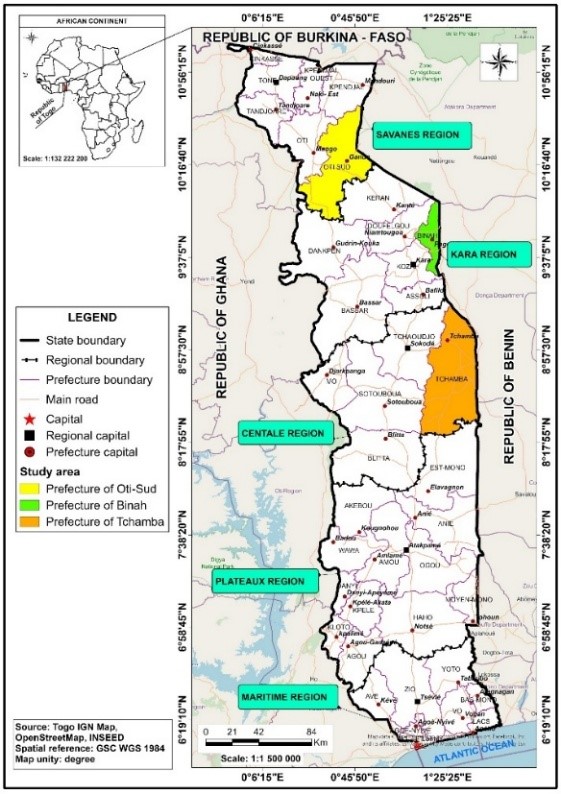
Figure 1 : Map Illustrating the Study Areas
Data collection utilized both primary and secondary sources. The primary data consisted of a quantitative survey of 398 producers and livestock farmers, supplemented by semi-structured interviews with farmers, NGO leaders, and institutional stakeholders. Focus groups with approximately 150 producers per prefecture provided an opportunity for them to discuss innovations and constraints related to agroecology collectively. Direct observations of agricultural practices and social interactions around natural resources further enriched the analysis. Secondary data were obtained from national agrarian statistics, project reports, and reports from international organizations, as well as historical and prospective climate data covering the period from 1961 to 2018, along with strategic documents and public policies.
The analytical approach combines quantitative and qualitative methods. Statistical analyses were based on Chi-square tests, binary logistic regressions, and principal component analysis to identify the socioeconomic and institutional determinants of the adoption of agroecological practices. In parallel, the thematic coding of interviews and focus groups enabled the identification of perceptions, trajectories, and logics underlying peasant innovation.[25] The triangulation of quantitative and qualitative results was conducted in reference to the multi-level transition model, which distinguishes between innovation niches, dominant regimes, and institutional landscapes.[26],[27] GIS mapping tools were also used to spatialize the observed practices and strengthen the territorial validity of the analysis.
The sampling was based on a stratified probabilistic method for the quantitative survey, taking into account an agricultural population estimated at approximately 370,000 producers and breeders.[28] The sample of 398 respondents was calculated with a margin of error of less than 5.5%, distributed proportionally among the three prefectures (43.3% in Tchamba, 36.2% in Oti Sud, and 20.5% in Binah). For qualitative surveys, purposive sampling supplemented by the snowball method enabled the targeting of key profiles, including peasant leaders, NGOs, and decision-makers, until theoretical saturation was achieved.[29]
Table 1: Distribution of Targets Surveyed by Prefecture
| Prefecture | Estimated agricultural population | Share in the agricultural population (%) | Surveys
carried out |
| Tchamba | 160,000 | 43.3% | 161 |
| Oti-South | 134,000 | 36.2% | 143 |
| Binah | 76,000 | 20.5% | 94 |
| Total | 370,000 | 100% | 398 |
This approach nevertheless has certain limitations. Territorial representativeness remains restricted to the three prefectures studied, although weighted adjustments were applied. Furthermore, the temporality of the data, covering essentially the period from 2018 to 2023, does not allow for a complete longitudinal analysis of agroecological trajectories.[30] Reporting biases may also affect specific qualitative results, linked to the subjectivity of the respondents. Finally, the heterogeneity and limited availability of secondary data, particularly in terms of agricultural and climate statistics, constitute an additional constraint for the analysis.[31]
4. Findings and Discussion
4.1. Regional Climate Trends and Implications for Agroecology
Analysis of meteorological data from 1961 to 2018 in the representative regions of the study reveals a general trend of increasing average annual temperatures, accompanied by a decrease in average precipitation. These trends are particularly pronounced in the northern areas, which are already experiencing significant water stress.
Table 2 : Evolution of Temperatures and Precipitation (1961-1985 and 1986-2018)[32]
| Region (station) | a | b | c | d | e | f |
| Savanes (Gando) | 27.9 | 29.0 | +1.1 | 1,085.1 | 1,038.3 | -46.8 |
| Kara (Binah) | 26.5 | 27.5 | +1.0 | 1,200.0 | 1,150.0 | -50.0 |
| Central (Tchamba) | 26.2 | 27.0 | +0.8 | 1,380.7 | 1,282.9 | -97.8 |
a= Temperature (°C) 1961-85, b= Temperature (°C) 1986-2018, c= Variation (°C), d= Rainfall (mm) 1961-85, e = Precipitation (mm) 1986-2018, f= Variation (mm)
The average annual temperature increased by +1.1°C in the Savannahs, +1.0°C in the Kara, and +0.8°C in the Central Region. This increase, combined with increased interannual variability, intensifies heat stress phenomena on crops, particularly maize and sorghum, which are sensitive to temperatures above 32°C during flowering. The decrease in precipitation is most pronounced in the Central Region (-97.8 mm), followed by the Savannah and Kara regions. This reduction, combined with a shift in the start of the season and intra-seasonal droughts, affects the effective duration of the agricultural season, compromising the success of rainfed crops.
Agroecological practices that strengthen the resilience of production systems. In the Savanes region, the emphasis is on agroforestry and conservation agriculture to limit erosion and maintain soil moisture. In the Kara region, integrated soil fertility management (ISFM) combined with hedgerow planting is a key strategy to curb land degradation. In the Central region, direct seeding under plant cover is favored to reduce water loss and restore soil structure. The analysis of climate projections, based on Togo’s Fourth National Communication, carried out in 2022, and data from the Intergovernmental Panel on Climate Change (IPCC), is based on two Representative Concentration Pathways (RCP) scenarios: RCP 4.5 (an intermediate stabilization scenario) and RCP 8.5 (a pessimistic high emission scenario).
Table 3 : Analysis of Climate Projections to 2050 and 2100
| Horizon | RCP Scenario | Average temperature variation (°C) | Variation in the average
precipitation (%) |
Uncertainty |
| 2050 | 4.5 | +1.15 to +1.48 | -0.16 to +0.67 | High |
| 2050 | 8.5 | +1.59 to +2.00 | -0.22 to +0.93 | High |
| 2100 | 4.5 | +1.53 to +1.96 | -0.21 to +0.89 | High |
| 2100 | 8.5 | +3.80 to +4.80 | -0.54 to +2.22 | Very high |
Precipitation variations, although more uncertain, are of significant importance in a country heavily dependent on rain-fed agriculture. The overall trend indicates increased variability, resulting in a shift in the start and end of agricultural seasons, an increase in dry periods within seasons, and a higher frequency of water extremes, such as droughts and floods. The agroclimatic simulations carried out with AquaCrop, integrating the RCP scenarios and intra-seasonal variability, are presented as follows :
Table 4: Projected Impacts on Yields of Some Family Crops According to the RCP 8.5 Scenario
| Culture | Projected variation by 2100 (%) | The most affected prefecture | Aggravating factors |
| Rice | -19 to -34 | Oti-south and Binah | Water stress in the reproduction phase, floods |
| Thousand | -19 to -34 | South Oti | High temperatures during flowering, prolonged droughts |
| Cassava | -19 to -34 | Binah and Tchamba | Heat stress, reduced rainfall during the growing season |
4.2. Socioeconomic Profile of Producers
Analysis of the study data reveals a differentiated structuring of farms, characterized by a predominance of small family production units, a diversity of cropping systems, and unequal access to natural resources. It also highlights an acute perception of climate risks by producers and a variable level of integration into collective organizational structures. These structuring elements enable us to understand better the conditions of adherence to or resistance to the agroecological transition in the studied territories.
The results indicate a dominance of small-scale farms. Indeed, 68.84% of producers farm between 1 and 5 hectares, while 14.82% have less than one hectare. Medium-sized farms (6 to 10 hectares) account for 14.32%, while those exceeding 10 hectares are marginal (2.01%). This land configuration reflects the fragmentation of agricultural land and is characteristic of predominantly family-based subsistence farming. Regarding land tenure, a relative majority of producers (57.54%) own their land, providing a certain level of tenure security that is favorable to long-term investment. However, 23.62% are tenants, and 17.84% cultivate inherited land, while a residual fraction (1.01%) depends on other forms of access, such as donations. These diverse land tenure situations directly influence farmers’ capacities to plan sustainable agroecological transformations.
In terms of production systems, food crops predominate by a large margin (98.74%), reflecting a priority orientation towards household food security. Livestock activities concern more than half of farmers (59.3%), while cash crops (20.6%), market gardening (10.8%), and mixed systems (5.53%) remain in the minority. This configuration reflects low productive diversification, although some hybrid trends are observable.
Access to natural resources essential to agroecological production is mixed. A large proportion of farmers use traditional seeds (82.41%), which constitutes a potential lever for promoting cultivated biodiversity and local adaptation. At the same time, 57.04% also use improved seeds, illustrating a coexistence between conventional practices and regional systems. Rainwater is the primary source of irrigation (81.16%), making farms particularly vulnerable to fluctuations in the climate. Only 44.97% of producers report having access to borehole water. The use of family labor remains dominant (62.81%), reflecting the self-sufficient and relatively unmechanized nature of production. As such, 48.74% of farmers have motorized agricultural equipment, a relatively low level that could hamper the implementation of certain labor-intensive agroecological practices.
Producers’ perception of climate risks is high. Drought is identified as the main threat by 75.63% of respondents, followed by delays in growing seasons (74.62%) and reduced yields (65.58%). Floods are mentioned by 27.64% of respondents, although their frequency and impact appear to be more localized. The perception of these events reflects a structural vulnerability of farms, particularly in areas with low water resilience and high dependence on climatic conditions.
Analysis of farmers’ integration into agricultural organizations reveals partial but significant participation. 48.99% of producers are members of cooperatives, which could facilitate access to resources, training, and collective advocacy. However, 33.67% are not affiliated with any structure, reflecting a specific institutional marginalization. Farmer organizations (13.57%), associations (7.04%), and economic interest groups (0.25%) are underrepresented. This low organizational density constitutes a potential obstacle to the dissemination of agroecological innovations and the sharing of experiences.
To explore the links between the socioeconomic profiles of producers and their commitment to the agroecological transition, a bivariate analysis using the Chi-square test was conducted. The latter highlights a statistically significant relationship between belonging to an agricultural cooperative and the integrated adoption of agroecological practices (χ² = 9.21; p = 0.010). Similarly, similar trends were observed for other variables such as educational level and equipment ownership, although some associations remain to be further investigated.
Table 5 : Chi-square Test Between Membership in a Cooperative and Level of Adoption of Agroecological Practices
| Membership in
a cooperative |
Low adoption | Partial adoption | Integrated adoption | ||||||||||||
| Yes (n = 195) | 18 (9.2%) | 74 (37.9%) | 103 (52.8%) | ||||||||||||
| No (n = 203) | 42 (20.7%) | 97 (47.8%) | 64 (31.5%) | ||||||||||||
| Total | 60 | 171 | 167 | ||||||||||||
|
The Chi-square test reveals a statistically significant association between membership in a cooperative and the Level of adoption of agroecological practices (χ² = 9.21; df = 2; p = 0.010). Producers who are members of cooperatives are more likely to adopt an integrated set of practices (52.8% versus 31.5% among non-members). This difference suggests that collective dynamics play a facilitating role in accessing information, technical support, and agroecological innovations.
In summary, the analysis reveals that the observed farms are characterized by small size, a predominance of food crops, limited access to technical and natural resources, and a high level of vulnerability to climate disruptions. While a proportion of producers are integrated into collective organizations, a significant fraction remains isolated. These elements reveal both the potential and the structural constraints of a local agroecological transition. They highlight the need for differentiated approaches, taking into account land realities, perceived vulnerabilities, and collective support networks, to promote an inclusive and sustainable transformation of agricultural systems.
4.3. Typology and Level of Adoption of Agroecological Practices
The results reveal a differentiated adoption of agroecological practices among Togolese producers, marked by a predominance of four main techniques: composting, agroforestry, biological control, and crop associations. These practices, although known to varying degrees, are deployed with contrasting intensities ranging from one-off experiments to systemic integration into production systems.
Table 6 : Presentation of the Level of Adoption, Primary Motivations, and Perceived Constraints of Agroecological Practices
| Agroecological practice | Adoption level | Main motivations | Perceived constraints |
| Composting | Partial to integrated | Soil fertility, reduced cost, waste recovery | Maturation time, low volume, limited technical know-how |
| Agroforestry | Low to partial | Erosion protection, soil improvement, aesthetics | Crop/tree competition, lack of plants, and late results |
| Biological control | Weak | Health, autonomy, food security | Complexity of preparations, limited perceived effectiveness, and access to ingredients |
| Cultural associations | Partial to integrate (traditional) | Diversification, food security, risk management | Lack of agronomic optimization, weak technical supervision |
In terms of observed motivations, producers who engage in these practices mainly cite household health (avoiding chemicals), reducing operating costs, the desire for autonomy from external inputs, and a growing commitment to preserving soil fertility. This orientation towards greater sustainability is more evident among young farmers who are trained or involved in cooperative structures.
On the other hand, the identified constraints remain significant. They include initial costs considered high (for example, for composting tools or tree seeds), a high demand for labor, and, above all, a lack of technical knowledge. These obstacles limit the spread of practices beyond restricted circles of experimental producers or those involved in specific projects. Added to this is a particular uncertainty about immediate yields, which makes large-scale adoption difficult in a context where short-term food security remains a priority.

Figure 2 : Agroecological Practices by Prefecture
Composting appears to be the most widespread practice, particularly in areas supported by NGOs or cooperatives. Its adoption is motivated by the desire to improve soil fertility at a lower cost. Still, it often remains partial due to a lack of technical expertise and the low volume produced. Agroforestry, more prevalent in the prefecture of Binah, involves the establishment of hedges and the planting of species such as Gliricidia sepium or Leucaena leucocephala. It is valued for its effects on erosion protection and fertility restoration. Still, its adoption remains limited due to a lack of access to forest seeds and the slow pace of agronomic benefits.[33] Biological control, based on the use of natural extracts from neem, garlic, or chili pepper, is poorly disseminated. Although it is valued for its effects on health and autonomy regarding inputs, it suffers from a lack of practical training and a perception of limited effectiveness.[34]Finally, crop associations, particularly maize-cowpea, millet-peanut, and cassava-bean, are well-anchored in agricultural traditions. However, their agroecological valorization remains incomplete, with the logic of food diversification still taking precedence over agronomic optimization.[35]
4.4. Factors Influencing Adoption
Statistical analysis of the adoption level (low, partial, or integrated) in conjunction with socioeconomic variables revealed some significant influencing factors. A Chi-square test reveals a statistically significant association between farm size and the degree of adoption (χ² = 11.46; p = 0.021), as well as between access to water (borehole or reservoir) and the adoption of irrigation-intensive practices, such as agroforestry or intensive composting (χ² = 13.28; p = 0.008). Similarly, the age of producers appears to play a role: young farmers (under 35) exhibit a higher adoption rate than their older counterparts, although this relationship is moderate in strength.
Table 7: Bivariate Analysis (Chi-square test) Between Socioeconomic Variables and the Level of Agroecological Adoption
| Cross-variables | χ²
(Chi-square) |
ddl | p-value | Meaningful
relationship |
| Farm size × Adoption | 11.46 | 2 | 0.021 | Yes |
| Access to water (drilling) × Adoption | 13.28 | 1 | 0.008 | Yes |
| Cooperative Membership × Adoption | 9.21 | 1 | 0.010 | Yes |
| Education level × Adoption | 6.72 | 2 | 0.035 | Yes |
| Producer Age × Adoption | 3.89 | 1 | 0.048 | Yes |
| Gender × Adoption | 1.62 | 1 | 0.203 | No |
Chi-square tests reveal that farm size, access to borehole water, membership in an agricultural cooperative, and the producer’s education level are variables significantly associated with the degree of adoption. These results suggest that structural production conditions, particularly land and water resources, influence producers’ agroecological commitment. Furthermore, anchoring in collective networks and educational capital appear to be key determinants that favor the progressive adoption of alternative practices.
To identify the most robust explanatory variables, a logistic regression analysis was conducted. The results show that producers who have received specific training in agroecology have a 2.3 times higher probability of adopting at least three integrated practices (OR = 2.32; p = 0.014). Membership in a collective organization is also a significant factor (OR = 1.86; p = 0.032), as is the Level of secondary or higher education (OR = 1.77; p = 0.041). This result confirms the researchers’ work on the importance of collective dynamics in agricultural innovation.[36]
Table 8: Binary Logistic Regression: Determinants of Integrated Adoption of Agroecological Practices
| Explanatory variable | Coefficient β | Odds Ratio (OR) | p-value | Interpretation |
| Training in agroecology | 0.843 | 2.32 | 0.014 | Significant |
| Membership in a cooperative | 0.621 | 1.86 | 0.032 | Significant |
| Secondary education level or higher | 0.571 | 1.77 | 0.041 | Significant |
| Farm size (>5 ha) | 0.419 | 1.52 | 0.078 | Not significant |
| Access to borehole water | 0.368 | 1.44 | 0.091 | Not significant |
| Age (under 35) | 0.287 | 1.33 | 0.117 | Not significant |
Producers who have benefited from specific capacity building thus have a probability more than twice as high of adopting a coherent set of practices (OR = 2.32; p = 0.014), which underlines the key role of technical and educational support in the transition process.[37],[38] Membership in a cooperative (OR = 1.86; p = 0.032) also constitutes a factor in the diffusion of innovations, serving as a vector of resources, information, and mutual support. Finally, a secondary or higher level of education (OR = 1.77; p = 0.041) seems to promote a better understanding of agroecological mechanisms and an increased capacity to integrate new agronomic references.
These observations confirm the findings of some authors, who suggest that the adoption of agroecology is not based solely on agro-environmental factors, but also stems from “processes of social learning and organizational activation” that modulate the capacity of producers to transform their practices.[39] They argue in favor of a territorialized and inclusive strategy for the transition, where institutional, educational, and collective levers are actively mobilized to support change. From this perspective, it is crucial to consolidate training systems tailored to local realities, to strengthen the organizational structure of farmers’ organizations, and to promote access to agricultural education, particularly among young people and historically marginalized groups.
4.5. Role of Local Knowledge and Rural Institutions
The qualitative analysis conducted in the study areas revealed the centrality of local knowledge and rural institutions in the dynamics of agroecological transition in Togo. This knowledge, derived from extensive experience in adapting to local agroclimatic conditions, constitutes an essential lever for the sustainability of agricultural systems.[40]
Table 9: Agroecological Practices and Institutional Actors in the Study Prefectures
| Prefecture | Local practices valued | Modes of transmission | Key rural institutions |
| Oti-South | Direct sowing under plant cover, composting in pits, and biopesticides | Intergenerational transmission, peers | Agricultural cooperatives, chiefdom |
| Binah | Associated crops (corn, peanuts, cowpeas), long fallow, seed conservation | Women’s circles, extended families | Women’s groups, local associations |
| Tchamba | Ridge crops, hedges ( moringa, tephrosia), sorghum-millet-cowpea rotation | Initiations by elders, community exchanges | Traditional chieftaincy, notables |
In Oti Sud, practices such as direct seeding under plant cover and pit composting demonstrate an empirical application of agroecological principles, reinforced by the use of natural inputs, including neem, for biological control. In Binah, crop associations and long fallow periods contribute to soil regeneration, while the conservation of peasant seeds illustrates the collective management of cultivated biodiversity.[41] In Tchamba, cultivation on ridges, the planting of moringa and tephrosia hedges, as well as the sorghum-millet-cowpea rotation, reflect a contextualized agroecological adaptation aimed at combating erosion and promoting productive diversification. These practices, although fragmented, are part of a logic of endogenous innovation that is consistent with the findings that agroecology is built first and foremost by the revaluation of peasant knowledge.[42]
Traditional rural institutions appear to be essential catalysts for this transition, as they regulate land use and promote the intergenerational transmission of practices. In Tchamba, the customary chiefdom oversees sustainable land management according to community rules, while in Binah, women’s groups are promoting the dissemination of agroecological techniques through solidarity networks and local experimentation. In Oti Sud, agricultural cooperatives play a crucial role in structuring the sector by facilitating access to organic inputs and technical training. These results are consistent with the work of researchers, who highlight the importance of rural institutions and collective learning in the dissemination of sustainable innovations.[43] By integrating endogenous knowledge into modern institutional frameworks and climate financing mechanisms, Togo could consolidate a contextualized agroecological transition model, based on the co-construction of knowledge and the territorial anchoring of agricultural policies.[44]
4.6. Contextual Factors Influencing the Agroecological Transition
Cross-analysis of the data highlights the central role of territorial, socioeconomic, institutional, and cultural contexts in the adoption of agroecological practices in Togo. The results confirm that ecological characteristics and local infrastructure largely condition the transition dynamics. The areas most vulnerable to climate hazards, particularly Oti Sud and Tchamba, are experiencing an intensification of adaptation strategies based on mulching, agroforestry, or crop diversification, illustrating a peasant rationality oriented towards resilience.[45] Climate analyses from the World Bank’s Climate Change Knowledge Portal confirm these perceptions, with an average rise in temperatures and increased irregularity in rainfall over the past three decades, particularly in the northern areas of the country. However, the degraded state of rural roads and the low density of agricultural infrastructure limit access to organic inputs and markets, thus hampering the spread of sustainable practices. These results support the observations of researchers, who emphasize the interdependence between ecological conditions, territorial accessibility, and the capacity for peasant innovation in the processes of agroecological transition.[46],[47]
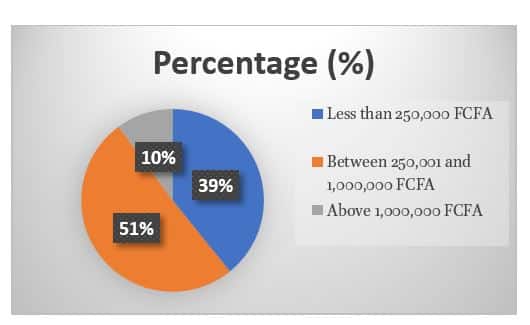
Figure 3: Presentation of the Proportions of the Income Level of the Respondents
At the socioeconomic and institutional levels, low formal education (70.6% of producers have not progressed beyond primary school) and economic insecurity (90% have an annual income of less than 1,000,000 FCFA) appear to be structural obstacles to the integrated adoption of this technology. Statistical analyses confirm this relationship: the Level of education (χ² = 8.67, p = 0.017) and agricultural income (p = 0.011) significantly influence the probability of adopting diversified practices, while market access (χ² = 10.52, p = 0.013) is a key factor in integration.[48] These results are consistent with the work of researchers, who show that human and economic capital determine the capacity to invest in ecologically sustainable innovations.[49] Furthermore, qualitative analyses highlight the low coherence of national agricultural policies, which are still primarily oriented towards conventional agriculture, and the persistent weight of social and gender norms that restrict the effective participation of women in agricultural governance. This interweaving of climatic, institutional, and social factors confirms the hypothesis of a plural and territorialized agroecological transition, the success of which depends on the simultaneous integration of economic, educational, and political dimensions into national adaptation and resilience strategies.[50]
4.7. Cross-analysis of the Determinants of Adoption
The analysis of the dynamics of adopting agroecological practices in the study areas reveals a set of interdependent factors at the intersection of technical, socioeconomic, institutional, and territorial dimensions. The practices studied, such as composting, agroforestry, biological control, and crop associations, provide a relevant prism for understanding the differentiated adoption logics in various contexts. By mobilizing both statistical correlations and profile typologies, as well as anchored testimonies, this section aims to identify the key drivers and constraints in the agroecological transition process.
On the technical Level, access to specialized information and support is a significant lever. The data show that producers who have received formal training are significantly more inclined to adopt combined practices (Chi-square test, p < 0.01). In the prefecture of Binah, the catalytic role of NGOs and cooperatives is particularly evident, promoting the dissemination of techniques such as composting and hedgerows. Conversely, in Oti Sud, the absence of formal technical support systems hinders sustainable appropriation. This unequal access results in practices that are often partial, even experimental. As one producer from Tchamba confided: “We hear about compost, but no one comes to see if we are doing it well or not.” This lack of support limits agronomic efficiency, reinforcing negative perceptions about the immediate yield of agroecological techniques, which are nevertheless recognized for their long-term resilience.[51]
Table 10: Chi-square Test Between Level of Education and Type of Practice Adopted
| Agroecological practice | Chi-square value | ddl | p-value | Significant |
| Composting | 9.86 | 2 | 0.007 | Yes |
| Agroforestry | 12.34 | 2 | 0.002 | Yes |
| Biological control | 15.78 | 3 | 0.001 | Yes |
| Cultural association | 8.45 | 2 | 0.015 | Yes |
Socioeconomic variables play an equally structuring role. The factor analysis carried out highlights three principal axes: land capital, education, and institutional affiliation.
Table 11: Principal Component Analysis (PCA) – Varimax Rotation
| Variables | Component 1
(technical) |
Component 2
(socio-eco) |
Component 3 (institutional) |
| Access to training | 0.82 | 0.18 | 0.21 |
| Farm size | 0.14 | 0.81 | 0.17 |
| Cooperative membership | 0.11 | 0.75 | 0.31 |
| Educational Level | 0.76 | 0.31 | 0.22 |
| Agricultural income | 0.25 | 0.88 | 0.11 |
| Institutional support | 0.79 | 0.27 | 0.81 |
Young farmers with minimal formal education, who are affiliated with cooperatives, exhibit a significantly more committed profile to innovative practices, particularly biological control. In contrast, women and smallholders, who are often excluded from formal support networks, adopt these practices to a lesser extent or partially. The link between cultivated area and adoption is also notable: farms smaller than 2 hectares are statistically less inclined to invest in agroforestry or long-maturing techniques (r² = 0.62). This finding is reinforced by the strong correlation observed between low income and non-adoption (χ², p < 0.05), suggesting that the agroecological transition remains perceived as risky or even inaccessible without targeted support.
Table 12: Correlations Between the Number of Practices Adopted and the Explanatory Variables
| Explanatory variables | Correlation coefficient (r) | Significant
(p < 0.05) |
| Age | -0.42 | Yes |
| Cultivated area | 0.51 | Yes |
| Educational Level | 0.58 | Yes |
| Cooperative membership | 0.62 | Yes |
| Agricultural income | 0.48 | Yes |
Institutional and territorial dynamics accentuate these gaps. Binah is an institutionalized territory, benefiting from a structured ecosystem of actors that promotes gradual but integrated adoption. In contrast, Oti Sud and certain localities in Tchamba suffer from an institutional void, characterized by weak coordination among actors, a lack of incentives, and inadequate supervision. These contrasts highlight the structuring effect of the institutional environment on the agroecological transition, suggesting that sustainable adoption relies less on individual characteristics than on systemic support conditions.[52] Furthermore, cultural and environmental factors, such as erosion, the scarcity of forest seeds, or land pressure, influence the practical feasibility of practices, modulating their compatibility with existing systems.
4.8. Agroecological Transition Trajectories
From a systemic analysis of the territorial dynamics of agroecological transition, the comparison of the three study prefectures (Oti-Sud, Binah, and Tchamba) reveals distinct trajectories, which can be interpreted in the light of a contextualized theory of change. These trajectories, although all engaged in a process of agricultural reconfiguration, reveal distinct logics of transformation, reflecting the diversity of forms of implementation of agroecology in Togo. This typological approach is inspired by the work of specific authors, who emphasize the importance of contextualizing agroecological transitions in relation to the local characteristics of agricultural systems and social relations. [53],[54]
In the Oti-Sud prefecture, the agroecological transition is akin to a survival transition, in a context marked by high socioeconomic insecurity, low infrastructure density, and institutional marginalization. The agroecological practices observed there are often informal, experimental, and poorly supported, as they are carried out by producers seeking alternative solutions in response to accelerated soil degradation and resource scarcity. This do-it-yourself dynamic, based on empirical knowledge, intergenerational exchanges, and local mutual aid mechanisms, is similar to what is described as the “silent resistance” of farmers to the dominant logic of modernization.[55] However, the absence of targeted support policies, the lack of technical training, and obstacles related to market access make this transition particularly fragile and vulnerable to external shocks.
In contrast, the Binah prefecture presents a supervised transition, structured mainly around agroecological development projects implemented by NGOs, local cooperatives, and partner institutions. The results demonstrate a strong presence of support actors, improved structuring of local sectors, and a collective dynamic that promotes the pooling of knowledge and resources. This configuration, closely aligned with the supported transition model, is characterized by a relatively harmonious interplay between technical innovations, territorial governance, and external financing.[56] Producer groups play a decisive role in the adoption of sustainable practices (crop rotations, composting, agroforestry), while benefiting from logistical and institutional support. However, the sustainability of this trajectory remains dependent on stable funding and the ability of local organizations to become self-sufficient in the medium term.[57]
In contrast, the situation in the Tchamba prefecture is more complex, characterized by a conflictual transition marked by multiple tensions. The survey results highlight intense pressure on land, fueled by competition between agricultural uses, urban speculation, and agribusiness projects. This pressure generates conflicts of use, leading to growing land insecurity and fragmentation, which limits the long-term viability of producers adopting sustainable practices. At the same time, the coexistence of competing discourses between technological modernization via mechanization and inputs on the one hand, and participatory agroecology on the other, creates a climate of strategic ambiguity. This polarization in different African contexts weakens collective dynamics and prevents the stabilization of a shared vision of the transition.[58] Young people and women, although often drivers of innovation, are particularly exposed to exclusion in this context of exacerbated competition for access to resources.
Thus, the typology of transition trajectories in the three prefectures reveals gradients of institutionalization, strategic coherence, and conflict. It illustrates the contributions of a territorialized reading of the agroecological transition, in line with systemic approaches that emphasize the need to consider social tensions, inequalities in resource access, and governance forms in the analysis of transformation processes.[59],[60]
Table 13: Agroecological Transition Trajectories by Prefecture
| Level of analysis | Oti-Sud – Survival Trajectory | Binah – Accompanied trajectory | Tchamba – Conflictual trajectory |
| Inputs | Empirical knowledge, intergenerational exchanges, mutual aid networks, isolated producer initiatives | Cooperation projects (IFAD, GIZ, AVSF), technical training, eco-conditioned subsidies, cooperative structuring | Uncoordinated public/private systems, exogenous investments, competitive discourse, and increased land pressure |
| Intermediate processes | Endogenous learning, oral diffusion, peasant DIY, local resilience | Capacity building, knowledge sharing, social innovation, participatory territorial governance | Competition for resources, land insecurity, and tensions between technological modernization and ecological transition |
| Outputs / Outcomes | Partial and fragmented adoption (composting, associations), lack of capitalization, and limited effects on production systems | Structured adoption (agroforestry, rotation, composting), sector coherence, and improvement of production systems | Unstable adoption, partial abandonment of sustainable practices, demobilization of young people and women, and fragmentation of practices |
| Expected impacts | Minimal food resilience, maintenance of local social balances, weak systemic transformation | Better management of natural resources, stabilization of agricultural incomes, and consolidation of local sustainability | Risk of drifting towards extractive models, loss of collective horizon, weakening of ecosystems, and rural communities |
To better understand the mechanisms linking financing to concrete transformations of agricultural systems, the following agroecological causal chain proposes a sequential representation of the actions and effects that structure a successful transition trajectory.
Figure 4: Agroecological Causal Chain, from Investment to Sustainable Territorial Impact
4.9. Comparison with West African Cases
Placing the results obtained in Togo into perspective with other agroecological trajectories in West Africa, particularly in Burkina Faso, Senegal, and Benin, allows for the identification of Togolese specificities while highlighting converging regional dynamics. This comparison is part of an analytical approach aimed at shedding light on both the factors facilitating agroecological transitions and the conditions for their institutionalization on a larger scale.[61],[62]
A first observation lies in the points of convergence between these West African contexts. In each of these countries, the agroecological transition has been strongly driven by intermediary actors, including NGOs, producer networks, action research centers, and cooperation institutions. These actors play a crucial role in mediating between peasant logics, public policy priorities, and international financing mechanisms.[63] Furthermore, there is a growing desire to promote local and endogenous knowledge through participatory training, platforms for the exchange of experiences, or co-constructed educational tools. This recognition of the plurality of knowledge constitutes an essential lever for the appropriation of agroecological practices, thereby highlighting the role of “cognitive justice” in transitions.[64]
However, the Togolese case presents certain structural originalities which limit its scope and stability at this stage. Unlike Burkina Faso or Senegal, where agroecology benefits from progressive institutionalization via specific public policies (such as the “Agroecology Law” in Senegal or the agroecology support programs led by SPONG in Burkina Faso), Togo is characterized by a weak institutional structuring of the sector. Agroecological projects are often fragmented, carried by isolated initiatives, and lack sustainable anchoring in normative frameworks, financing, or agricultural training. This low political visibility limits the leverage effect of local actions, particularly in public support mechanisms (such as subsidies, access to land, and technical support) and agricultural strategic orientations.[65]
In this context, several transferable lessons can nevertheless be drawn from regional experiences. First, the development of communities of agroecological practices, such as those initiated by ROPPA (the Network of Peasant and Agricultural Producer Organizations of West Africa) or Enda Pronat in Senegal, demonstrates the value of structuring spaces for horizontal learning, capitalizing on peasant innovations, and fostering multi-stakeholder dialogue. [66]Secondly, the establishment of participatory certification systems, such as those tested in Benin through the PGS (Participatory Guarantee Systems), offers an alternative route to conventional organic certification, more suited to small farms, while strengthening transparency, trust, and institutional recognition.[67]Finally, the articulation between farmers’ organizations, researchers, and public actors, already initiated in Burkina Faso through action research programs on agroecology, constitutes a significant lever for the co-construction of territorialized policies adapted to local realities.
Ultimately, this comparison highlights a dual challenge for Togo: on the one hand, consolidating local initiatives by integrating them into structuring dynamics at the national Level; on the other hand, drawing inspiration from West African experiences to promote transition governance based on participation, recognition of peasant knowledge, and the construction of sustainable territorial synergies. This requires a shift in the state’s posture, more as a supporter than a prescriber, and a more strategic mobilization of civil society actors to incorporate agroecology into national political debates.
5. Conclusion
This study highlighted the primary determinants of the adoption of agroecological practices in Togo, within the context of climate change. The multi-level analysis revealed that the transition is driven by the complex interaction of individual (age, education, agricultural experience), organizational (cooperatives, farmer networks), institutional (technical support, public policies, financing), and environmental (climate variability, soil degradation) factors. The results highlight that integrated adoption remains limited, with the majority of producers practicing partial adoption, focusing on a few techniques, such as composting, agroforestry, or crop diversification.
Comparing the results with regional literature confirms that the dynamics observed in Togo are comparable to those documented in other West African countries, where endogenous knowledge, community mobilization, and institutional support play a central role, but where structural constraints such as land insecurity, dependence on external funding, and the low economic value of agroecological products limit the diffusion of innovations. At the scale of the multi-level model, the agroecological transition still appears fragile, with innovation niches having to deal with an agricultural regime dominated mainly by the use of chemical inputs, but which could evolve under the pressures of the socio-environmental landscape marked by climate change.
Agroecological transition trajectories in sub-Saharan Africa emphasize the importance of an integrated analysis that combines statistical and qualitative approaches. From a practical perspective, it suggests strengthening training systems, supporting farmers’ organizations, and enhancing access to green credit to encourage the systemic adoption of these practices. Finally, from a political perspective, it calls for better coordination among local initiatives, national agricultural policies, and international financing mechanisms to consolidate the resilience and sustainability of Togolese farm systems in the context of the climate crisis.
6. Conflict of Interest
The author states that there is no conflict of interest.
7. Acknowledgment
The author acknowledges the support of Professor Klemens Katterbauer for his invaluable guidance and comprehensive review during the preparation of the dissertation process from which this article was published.
.
References
‘Agroecological Training on Biofertilisers Improves Women’s Livelihoods in Togo. | FAO’. Accessed 13 April 2025. https://www.fao.org/family-farming/detail/en/c/1412923/.
Altieri, M. A., and C. I. Nicholls. ‘Agroecology: A Transdisciplinary, Participatory and Action-Oriented Approach’. CRC Press, 2017.
Altieri, Miguel A. Agroecology: The Science of Sustainable Agriculture. CrC press, 2018.
Altieri, Miguel A. ‘The Ecological Role of Biodiversity in Agroecosystems’. In Invertebrate Biodiversity as Bioindicators of Sustainable Landscapes. Elsevier, 1999. https://doi.org/10.1016/B978-0-444-50019-9.50005-4.
Altieri, Miguel A., and Victor Manuel Toledo. ‘The Agroecological Revolution in Latin America: Rescuing Nature, Ensuring Food Sovereignty and Empowering Peasants’. Journal of Peasant Studies 38, no. 3 (2011): 587–612. https://doi.org/10.1080/03066150.2011.582947.
Anderson, Colin Ray, Janneke Bruil, M. Jahi Chappell, Csilla Kiss, and Michel Patrick Pimbert. Agroecology Now!: Transformations towards More Just and Sustainable Food Systems. Springer Nature, 2021. https://library.oapen.org/handle/20.500.12657/46819.
Berkes, Fikret, Johan Colding, and Carl Folke. Navigating Social-Ecological Systems: Building Resilience for Complexity and Change. Cambridge university press, 2008.
Boillat, Sébastien, Raphaël Belmin, and Patrick Bottazzi. ‘The Agroecological Transition in Senegal: Transnational Links and Uneven Empowerment’. Agriculture and Human Values 39, no. 1 (2022): 281–300. https://doi.org/10.1007/s10460-021-10247-5.
Calvin, Katherine, Dipak Dasgupta, Gerhard Krinner, et al. ‘IPCC, 2023: Climate Change 2023: Synthesis Report, Summary for Policymakers. Contribution of Working Groups I, II and III to the Sixth Assessment Report of the Intergovernmental Panel on Climate Change [Core Writing Team, H. Lee and J. Romero (Eds.)]. IPCC, Geneva, Switzerland.’ IPCC, 2023: Climate Change 2023: Synthesis Report. Contribution of Working Groups I, II and III to the Sixth Assessment Report of the Intergovernmental Panel on Climate Change [Core Writing Team, H. Lee and J. Romero (Eds.)]. IPCC, Geneva, Switzerland., Intergovernmental Panel on Climate Change (IPCC), 25 July 2023, 1–34. https://doi.org/10.59327/ipcc/ar6-9789291691647.001.
Canton, Helen. ‘International Fund for Agricultural Development—IFAD’. In The Europa Directory of International Organizations 2021, 23rd ed. Routledge, 2021.
Chambers, Robert. ‘Participatory Rural Appraisal (PRA): Analysis of Experience’. World Development 22, no. 9 (1994): 1253–68.
Cisse, Fatou. ‘Rethinking A Sustainable Agricultural Innovation Model In Senegal’. University of Guelph, 2024. https://hdl.handle.net/10214/28647.
Citaristi, Ileana. ‘World Meteorological Organization—WMO’. In The Europa Directory of International Organizations 2022. Routledge, 2022.
Creswell, John W., and Vicki L. Plano Clark. Designing and Conducting Mixed Methods Research. Sage publications, 2017.
Dagoudo, Bienvenu Akowedaho, Charles Ssekyewa, Bright Chisadza, Chrissy Chawanda, and Latifou Idrissou. ‘Business Ideology: A Key Driver for Scaling Up Agroecology and Sustainable Food Systems in Africa’. Journal of Techno-Social 16, no. 2 (2024): 2.
De Schutter, Olivier, and Gaëtan Vanloqueren. ‘The New Green Revolution: How Twenty-First-Century Science Can Feed the World.’ Solutions 2, no. 4 (2011). https://orbi.uliege.be/bitstream/2268/323428/1/2011%20DeSchutterVanloqueren_NewGreenrevolution_Solutions2011.pdf.
Douwe Van Der Ploeg, Jan. ‘The Peasantries of the Twenty-First Century: The Commoditisation Debate Revisited’. The Journal of Peasant Studies 37, no. 1 (2010): 1–30. https://doi.org/10.1080/03066150903498721.
Duru, Michel, Olivier Therond, and M’hand Fares. ‘Designing Agroecological Transitions; A Review’. Agronomy for Sustainable Development 35, no. 4 (2015): 1237–57. https://doi.org/10.1007/s13593-015-0318-x.
FAO. The Future of Food and Agriculture – Trends and Challenges. Food and Agriculture Organization of the United Nations., 2017.
Feder, Gershon, and Dina L. Umali. ‘The Adoption of Agricultural Innovations: A Review’. Technological Forecasting and Social Change, Special Issue Technology and Innovation In Agriculture and Natural Resources, vol. 43, no. 3 (1993): 215–39. https://doi.org/10.1016/0040-1625(93)90053-A.
Geels, Frank W. ‘Technological Transitions as Evolutionary Reconfiguration Processes: A Multi-Level Perspective and a Case-Study’. Research Policy 31, nos. 8–9 (2002): 1257–74.
Gliessman, Stephen R. ‘Agroecology: The Ecology of Sustainable Food Systems’. JSTOR, 2016.
Gliessman, Steve. ‘Transforming Food Systems with Agroecology’. In Agroecology and Sustainable Food Systems, vol. 40. no. 3. Taylor & Francis, 2016. https://www.tandfonline.com/doi/full/10.1080/21683565.2015.1130765%4010.1080/tfocoll.2023.0.issue-10th-anniversary-collection.
Gujarati, Damodar. ‘Basic Econometrics Fourth (4th) Edition’. Magraw Hill Inc, New York 109 (2004).
Kaufmann, Sonja, Nikolaus Hruschka, Luis Vildozo, and Christian R. Vogl. ‘Alternative Food Networks in Latin America—Exploring PGS (Participatory Guarantee Systems) Markets and Their Consumers: A Cross-Country Comparison’. Agriculture and Human Values 40, no. 1 (2023): 193–216. https://doi.org/10.1007/s10460-022-10347-w.
Kay, M., S. Bunning, J. Burke, et al. ‘The State of the World’s Land and Water Resources for Food and Agriculture 2021. Systems at Breaking Point’. FAO, 2022. https://agritrop.cirad.fr/612680/1/SOLAW2021.pdf.
Masson-Delmotte, V. P., P. Zhai, S. L. Pirani, et al. IPCC, 2021: Summary for Policymakers. In: Climate Change 2021: The Physical Science Basis. Contribution of Working Group I to the Sixth Assessment Report of the Intergovernmental Panel on Climate Change. Cambridge University Press, Cambridge, United Kingdom and New York, NY, USA, January 2021. https://researchspace.csir.co.za/items/doi:10.1017/9781009157896.001.
Mbow, Cheikh, Meine Van Noordwijk, Eike Luedeling, Henry Neufeldt, Peter A. Minang, and Godwin Kowero. ‘Agroforestry Solutions to Address Food Security and Climate Change Challenges in Africa’. Current Opinion in Environmental Sustainability 6 (2014): 61–67.
Mier Y Terán Giménez Cacho, Mateo, Omar Felipe Giraldo, Miriam Aldasoro, et al. ‘Bringing Agroecology to Scale: Key Drivers and Emblematic Cases’. Agroecology and Sustainable Food Systems 42, no. 6 (2018): 637–65. https://doi.org/10.1080/21683565.2018.1443313.
Ollivier, Guillaume, Danièle Magda, Armelle Mazé, Gael Plumecocq, and Claire Lamine. ‘Agroecological Transitions: What Can Sustainability Transition Frameworks Teach Us? An Ontological and Empirical Analysis.’ Ecology & Society 23, no. 2 (2018). https://pdfs.semanticscholar.org/bfec/565a47712eeb988de6db95b4ac9d8a019fd9.pdf.
Patton, Michael Quinn. Qualitative Research and Evaluation Methods. Vol. 3. Sage, 2002.
Pimbert, Michel. Food Sovereignty, Agroecology and Biocultural Diversity. Routledge London, 2016.
Pretty, Jules. ‘Social Capital and the Collective Management of Resources’. Science 302, no. 5652 (2003): 1912–14. https://doi.org/10.1126/science.1090847.
‘Projet Appui à la Transition Agroécologique au Mali par la Synécoculture (ATAMS)’. Fondation Paul Gérin-Lajoie, n.d. Accessed 17 May 2025. https://fondationpgl.ca/projets/atams/.
Ramos, Yvette. ‘Inclusion and Influence: Examining Stakeholders Diversity in the Conference of Parties (Cops) of the United Nations Framework Convention on Climate Change (Unfccc)’. SSRN Scholarly Paper 5066628. Social Science Research Network, 21 December 2024. https://doi.org/10.2139/ssrn.5066628.
Reij, Chris, Gray Tappan, and Melinda Smale. Agroenvironmental Transformation in the Sahel: Another Kind of” Green Revolution”. Intl Food Policy Res Inst, 2009.
‘Résultats Définitifs Du RGPH-5 (Novembre 2022) – INSEED’. Accessed 4 July 2025. https://inseed.tg/resultats-definitifs-du-rgph-5-novembre-2022/.
sando.ali. ‘Actualisation du plan national d’adaptation aux changements climatiques (PNACC) au Togo’. Ministère de l’Environnement et de la Ressource Forestière, 23 December 2024. https://environnement.gouv.tg/actualisation-du-plan-national-dadaptation-aux-changements-climatiques-pnacc-au-togo/.
Sawadogo, Hamado. ‘Using Soil and Water Conservation Techniques to Rehabilitate Degraded Lands in Northwestern Burkina Faso’. In Sustainable Intensification. Routledge, 2012. https://www.taylorfrancis.com/chapters/edit/10.4324/9781849776844-14/using-soil-water-conservation-techniques-rehabilitate-degraded-lands-northwestern-burkina-faso-hamado-sawadogo.
Smith, Pete, Daniel Martino, Zucong Cai, et al. ‘Greenhouse Gas Mitigation in Agriculture’. Philosophical Transactions of the Royal Society B: Biological Sciences 363, no. 1492 (2008): 789–813. https://doi.org/10.1098/rstb.2007.2184.
Smith, Pete, Daniel Martino, Zucong Cai, et al. ‘Greenhouse Gas Mitigation in Agriculture’. Philosophical Transactions of the Royal Society B: Biological Sciences, ahead of print, The Royal SocietyLondon, 6 September 2007. London. https://doi.org/10.1098/rstb.2007.2184.
‘The Agroecological Transitions Program for Building Resilient and Inclusive Agricultural & Food Systems | FAO’. Accessed 14 April 2025. https://www.fao.org/family-farming/detail/en/c/1634714/.
Tittonell, Pablo. ‘Ecological Intensification of Agriculture—Sustainable by Nature’. Current Opinion in Environmental Sustainability 8 (2014): 53–61.
‘Togo – Climatology (CRU) | Climate Change Knowledge Portal’. Accessed 3 December 2025. https://climateknowledgeportal.worldbank.org/country/togo/climate-data-historical.
‘Transition agroécologique au Bénin : un défi vital pour l’agriculture et la santé publique | Louvain cooperation ONG Belge’. Accessed 17 May 2025. https://louvaincooperation.org/fr/news/2025-01-21/transition-agroecologique-au-benin-un-defi-vital-pour-lagriculture-et-la-sante.
Walthall, Beatrice, José Luis Vicente-Vicente, Jonathan Friedrich, Annette Piorr, and Daniel López-García. ‘Complementing or Co-Opting? Applying an Integrative Framework to Assess the Transformative Capacity of Approaches That Make Use of the Term Agroecology’. Environmental Science & Policy 156 (June 2024): 103748. https://doi.org/10.1016/j.envsci.2024.103748.
Whaley, Luke, Frances Cleaver, and Evance Mwathunga. ‘Flesh and Bones: Working with the Grain to Improve Community Management of Water’. World Development 138 (2021): 105286.
[1] Katherine Calvin et al., “IPCC, 2023: Climate Change 2023: Synthesis Report, Summary for Policymakers. Contribution of Working Groups I, II and III to the Sixth Assessment Report of the Intergovernmental Panel on Climate Change [Core Writing Team, H. Lee and J. Romero (Eds.)]. IPCC, Geneva, Switzerland.,” IPCC, 2023: Climate Change 2023: Synthesis Report. Contribution of Working Groups I, II and III to the Sixth Assessment Report of the Intergovernmental Panel on Climate Change [Core Writing Team, H. Lee and J. Romero (Eds.)]. IPCC, Geneva, Switzerland. , Intergovernmental Panel on Climate Change (IPCC), July 25, 2023, 1–34, https://doi.org/10.59327/ipcc/ar6-9789291691647.001.
[2] Yvette Ramos, “Inclusion and Influence: Examining Stakeholders Diversity in the Conference of Parties (Cops) of the United Nations Framework Convention on Climate Change ( Unfccc ),” SSRN Scholarly Paper 5066628 (Rochester, NY: Social Science Research Network, December 21, 2024), https://doi.org/10.2139/ssrn.5066628.
[3] M. Kay et al., “The State of the World’s Land and Water Resources for Food and Agriculture 2021. Systems at Breaking Point,” FAO, 2022, https://agritrop.cirad.fr/612680/1/SOLAW2021.pdf.
[4] Kay et al., “The State of the World’s Land and Water Resources for Food and Agriculture 2021. Systems at Breaking Point.”
[5] sando.ali , “Update of the National Climate Change Adaptation Plan (PNACC) in Togo,” Ministry of the Environment and Forest Resources, December 23, 2024, https://environnement.gouv.tg/actualisation-du-plan-national-dadaptation-aux-changements-climatiques-pnacc-au-togo/.
[6] Miguel A. Altieri, ‘The Ecological Role of Biodiversity in Agroecosystems’, in Invertebrate Biodiversity as Bioindicators of Sustainable Landscapes (Elsevier, 1999), https://doi.org/10.1016/B978-0-444-50019-9.50005-4.
[7] Stephen R. Gliessman , “ Agroecology : The Ecology of Sustainable Food Systems,” JSTOR, 2016.
[8] Steve Gliessman , “Transforming Food Systems with Agroecology ,” in Agroecology and Sustainable Food Systems , no. 3, Taylor & Francis, 2016, 40:187–89, https://www.tandfonline.com/doi/full/10.1080/21683565.2015.1130765%4010.1080/tfocoll.2023.0.issue-10th-anniversary-collection.
[9] Frank W. Geels, ‘Technological Transitions as Evolutionary Reconfiguration Processes: A Multi-Level Perspective and a Case-Study’, Research Policy 31, nos. 8–9 (2002): 1257–74.
[10] Miguel A. Altieri and Victor Manuel Toledo, ‘The Agroecological Revolution in Latin America: Rescuing Nature, Ensuring Food Sovereignty and Empowering Peasants’, Journal of Peasant Studies 38, no. 3 (2011): 587–612, https://doi.org/10.1080/03066150.2011.582947.
[11] Gliessman, ‘Agroecology’.
[12] Cheikh Mbow et al., ‘Agroforestry Solutions to Address Food Security and Climate Change Challenges in Africa’, Current Opinion in Environmental Sustainability 6 (2014): 61–67.
[13] Olivier De Schutter and Gaëtan Vanloqueren, ‘The New Green Revolution: How Twenty-First-Century Science Can Feed the World.’, Solutions 2, no. 4 (2011), https://orbi.uliege.be/bitstream/2268/323428/1/2011%20DeSchutterVanloqueren_NewGreenrevolution_Solutions2011.pdf.
[14] Jules Pretty, ‘Social Capital and the Collective Management of Resources’, Science 302, no. 5652 (2003): 1912–14, https://doi.org/10.1126/science.1090847.
[15] Gliessman, ‘Agroecology’.
[16] Pablo Tittonell, ‘Ecological Intensification of Agriculture—Sustainable by Nature’, Current Opinion in Environmental Sustainability 8 (2014): 53–61.
[17] Chris Reij, Gray Tappan, and Melinda Smale, Agroenvironmental Transformation in the Sahel: Another Kind of “Green Revolution” (Intl Food Policy Res Inst, 2009),
[18] Hamado Sawadogo, ‘Using Soil and Water Conservation Techniques to Rehabilitate Degraded Lands in Northwestern Burkina Faso’, in Sustainable Intensification (Routledge, 2012), https://www.taylorfrancis.com/chapters/edit/10.4324/9781849776844-14/using-soil-water-conservation-techniques-rehabilitate-degraded-lands-northwestern-burkina-faso-hamado-sawadogo.
[19] Fatou Cisse, ‘Rethinking A Sustainable Agricultural Innovation Model In Senegal’ (University of Guelph, 2024), https://hdl.handle.net/10214/28647.
[20] ‘Transition agroécologique au Bénin : un défi vital pour l’agriculture et la santé publique | Louvain cooperation ONG Belge’, accessed 17 May 2025, https://louvaincooperation.org/fr/news/2025-01-21/transition-agroecologique-au-benin-un-defi-vital-pour-lagriculture-et-la-sante.
[21] “Project Supporting the Agroecological Transition in Mali through Synecoculture (ATAMS),” Paul Gérin-Lajoie Foundation (blog), accessed May 17, 2025, https://fondationpgl.ca/projets/atams/.
[22] sando.ali , “Update of the national climate change adaptation plan (PNACC) in Togo.”
[23] Miguel A. Altieri, Agroecology : The Science of Sustainable Agriculture ( CrC press, 2018).
[24] Gliessman , “ Agroecology .”
[25] John W. Creswell and Vicki L. Plano Clark, Designing and Conducting Mixed Methods Research (Sage publications, 2017).
[26] Frank W. Geels , “Technological Transitions as Evolutionary Reconfiguration Processes: A Multi-Level Perspective and a Case-Study,” Research Policy 31, nos. 8–9 (2002): 1257–74.
[27] Pete Smith et al., ‘Greenhouse Gas Mitigation in Agriculture’, Philosophical Transactions of the Royal Society B: Biological Sciences 363, no. 1492 (2008): 789–813, https://doi.org/10.1098/rstb.2007.2184.
[28] “Final Results of the RGPH-5 (November 2022) – INSEED,” accessed July 4, 2025, https://inseed.tg/resultats-definitifs-du-rgph-5-novembre-2022/.
[29] Michael Quinn Patton, Qualitative Research and Evaluation Methods , vol. 3 (Sage, 2002),
[30] VP Masson- Delmotte et al., IPCC, 2021: Summary for Policymakers. In: Climate Change 2021: The Physical Science Basis. Contribution of Working Group I to the Sixth Assessment Report of the Intergovernmental Panel on Climate Change , Cambridge University Press, Cambridge, United Kingdom and New York, NY, USA, January 2021, https://researchspace.csir.co.za/items/doi:10.1017/9781009157896.001.
[31] Ileana Citaristi , “World Meteorological Organization-WMO,” in The Europa Directory of International Organizations 2022 (Routledge, 2022), 399–404, https://www.taylorfrancis.com/chapters/edit/10.4324/9781003292548-81/world-meteorological-organization%E2%80%94wmo-ileana-citaristi.
[32] ‘Togo – Climatology (CRU) | Climate Change Knowledge Portal’, accessed 3 December 2025, https://climateknowledgeportal.worldbank.org/country/togo/climate-data-historical.
[33] Altieri, Agroecology .
[34] “The Agroecological Transitions Program for Building Resilient and Inclusive Agricultural & Food Systems | FAO,” accessed April 14, 2025, https://www.fao.org/family-farming/detail/en/c/1634714/.
[35] Gliessman , “ Agroecology .”
[36] Robert Chambers, ‘Participatory Rural Appraisal (PRA): Analysis of Experience’, World Development 22, no. 9 (1994): 1253–68.
[37] FAO, The Future of Food and Agriculture – Trends and Challenges. (Food and Agriculture Organization of the United Nations., 2017).
[38] Helen Canton, “International Fund for Agricultural Development—IFAD,” in The Europa Directory of International Organizations 2021 , 23rd ed. (Routledge, 2021).
[39] MA Altieri and CI Nicholls, “ Agroecology : A Transdisciplinary, Participatory and Action-Oriented Approach,” CRC Press, 2017.
[40] Fikret Berkes , Johan Colding , and Carl Folke , Navigating Social-Ecological Systems: Building Resilience for Complexity and Change (Cambridge university press, 2008),
[41] Gliessman , “ Agroecology .”
[42] Altieri, Agroecology .
[43] Chambers, ‘Participatory Rural Appraisal (PRA)’.
[44] Masson-Delmotte et al., IPCC, 2021.
[45] sando.ali , “Update of the national climate change adaptation plan (PNACC) in Togo.”
[46] ‘Agroecological Training on Biofertilisers Improves Women’s Livelihoods in Togo. | FAO’, accessed 13 April 2025, https://www.fao.org/family-farming/detail/en/c/1412923/.
[47] Fikret Berkes et al., Navigating Social-Ecological Systems: Building Resilience for Complexity and Change (Cambridge university press, 2008)
[48] Damodar Gujarati, “Basic Econometrics Fourth (4th) Edition,” Magraw Hill Inc , New York 109 (2004).
[49] Gershon Feder and Dina L. Umali, “The Adoption of Agricultural Innovations: A Review,” Technological Forecasting and Social Change , Special Issue Technology and Innovation In Agriculture and Natural Resources, vol. 43, no. 3 (May 1993): 215–39, https://doi.org/10.1016/0040-1625(93)90053-A.
[50] Pete Smith et al., “Greenhouse Gas Mitigation in Agriculture,” Philosophical Transactions of the Royal Society B: Biological Sciences , ahead of print, The Royal Society London , September 6, 2007, London, https://doi.org/10.1098/rstb.2007.2184.
[51] Miguel A. Altieri, Agroecology : The Science of Sustainable Agriculture ( CrC press, 2018).
[52] Pablo Tittonell , “Ecological Intensification of Agriculture Sustainable by Nature,” Current Opinion in Environmental Sustainability 8 (2014): 53–61.
[53] Michel Duru , Olivier Therond , and M’hand Fares, “Designing Agroecological Transitions; A Review,” Agronomy for Sustainable Development 35, no. 4 (October 2015): 1237–57, https://doi.org/10.1007/s13593-015-0318-x.
[54] Pablo Tittonell , “Ecological Intensification of Agriculture Sustainable by Nature,” Current Opinion in Environmental Sustainability 8 (2014): 53–61.
[55] Jan Douwe Van Der Ploeg , “The Peasants of the Twenty-First Century: The Commoditization Debate Revisited,” The Journal of Peasant Studies 37, no. 1 (January 2010): 1–30, https://doi.org/10.1080/03066150903498721.
[56] Guillaume Ollivier et al., “ Agroecological Transitions: What Can Sustainability Transition Frameworks Teach Us? An Ontological and Empirical Analysis.,” Ecology & Society 23, no. 2 (2018), https://pdfs.semanticscholar.org/bfec/565a47712eeb988de6db95b4ac9d8a019fd9.pdf.
[57] Sebastian Boillat , Raphael Belmin , and Patrick Bottazzi , “The Agroecological Transition in Senegal: Transnational Links and Uneven Empowerment,” Agriculture and Human Values 39, no. 1 (March 2022): 281–300, https://doi.org/10.1007/s10460-021-10247-5.
[58] Beatrice Walthall et al., “Complementing or Co-Opting? Applying an Integrative Framework to Assess the Transformative Capacity of Approaches That Make Use of the Term Agroecology ,” Environmental Science & Policy 156 (June 1, 2024): 103748, https://doi.org/10.1016/j.envsci.2024.103748.
[59] Luke Whaley, Frances Cleaver, and Evance Mwathunga , “Flesh and Bones: Working with the Grain to Improve Community Management of Water,” World Development 138 (2021): 105286.
[60] Colin Ray Anderson et al., Agroecology Now!: Transformations towards More Just and Sustainable Food Systems (Springer Nature, 2021), https://library.oapen.org/handle/20.500.12657/46819.
[61] Mateo Mier Y Terán Giménez Cacho et al., ‘Bringing Agroecology to Scale: Key Drivers and Emblematic Cases’, Agroecology and Sustainable Food Systems 42, no. 6 (2018): 637–65, https://doi.org/10.1080/21683565.2018.1443313.
[62] Anderson et al., Agroecology Now!
[63] Welcome Akowedaho Dagoudo et al., “Business Ideology: A Key Driver for Scaling Up Agroecology and Sustainable Food Systems in Africa,” Journal of Techno-Social 16, no. 2 (December 20, 2024): 37–47.
[64] Michel Pimbert , Food Sovereignty, Agroecology and Biocultural Diversity (Routledge London, 2016), https://api.taylorfrancis.com/content/books/mono/download?identifierName=doi&identifierValue=10.4324/9781315666396&type=googlepdf.
[65] Luke Whaley, Frances Cleaver, and Evance Mwathunga , “Flesh and Bones: Working with the Grain to Improve Community Management of Water,” World Development 138 (2021): 105286.
[66] Anderson et al., Agroecology Now!
[67] Sonja Kaufmann et al., ‘Alternative Food Networks in Latin America—Exploring PGS (Participatory Guarantee Systems) Markets and Their Consumers: A Cross-Country Comparison’, Agriculture and Human Values 40, no. 1 (2023): 193–216, https://doi.org/10.1007/s10460-022-10347-w.