ABSTRACT
| Since 2010, Pakistan has faced repeated and severe floods driven by heavy monsoon rains, melting snow, cyclones, and human-induced factors. These disasters caused extensive destruction across the country, displacing millions. Sindh province has been among the most affected, with significant losses including millions of acres of agricultural land, over a million homes, and essential health and education facilities. The agriculture-dependent region continues to struggle with long-term recovery and livelihood restoration. The objective of the study is to assess the impact of floods on livelihoods and the socio-economic status of flood-prone communities, and to examine mitigation and adaptation strategies for these communities. It investigates such as indigenous knowledge and social networks.
The study employed historical data, key informant interviews, and community surveys to understand local coping mechanisms and identify gaps in preparedness in five selected districts of Sindh that were affected during the 2022 floods. The study finds that disaster and climate response needs to focus on early and long-term recovery planning. It requires stronger mitigation and preparedness efforts. More inclusive, accountable, and locally led actions are necessary. Major challenges include institutional fragmentation and unequal access to services. Inadequate data systems and limited coverage of vulnerable groups exacerbate the issues. The approach to emergencies and financing is predominantly reactive. Cash programs help, but are not sufficient on their own. Global prioritization of adaptation and resilience is lacking due to the absence of standardized metrics. This makes attracting necessary support difficult. Effective coordination among actors within a nationally led framework is essential to improve outcomes. |
|
-
Introduction
Climate change, primarily driven by anthropogenic greenhouse gas emissions since the Industrial Revolution, has accelerated persistent shifts in global temperature, precipitation patterns, and weather extremes.[1] These changes amplify natural climate variability and have increased both the frequency and severity of climate-related hazards. Socially and economically disadvantaged groups are disproportionately impacted, as limited resources, inadequate infrastructure, and high poverty levels constrain their capacity to prepare for, respond to, and recover from disasters.[2] Floods are highly climate-sensitive, and agriculture supports a substantial portion of the country’s 240 million inhabitants.
Erratic monsoon patterns, prolonged droughts, extreme heatwaves, and coastal hazards, including sea-level rise and erosion, further exacerbate vulnerabilities.[3] Women, children, the elderly, and marginalized groups face the most incredible hardships, including heightened health risks, food and water insecurity, and reduced access to essential services. In Sindh, Pakistan, the consequences of climate-induced flooding are particularly acute due to heavy, unpredictable monsoon rains, inadequate drainage, and extensive low-lying floodplains. Flood management efforts, coordinated by institutions such as the Federal Flood Commission, the National Disaster Management Authority (NDMA), Provincial Disaster Management Authorities (PDMAs), Irrigation Departments, and the Pakistan Army, are frequently constrained by resource limitations, poor coordination, and outdated infrastructure.[4] As climate pressures intensify, the province requires urgent, long-term adaptation strategies, integrated water management, and resilient infrastructure. Enhancing institutional capacity, improving early warning systems, and incorporating community-based and nature-based solutions are essential for reducing future flood risks and strengthening the resilience of vulnerable populations.[5]
This study examined the impact of floods on the socio-economic livelihoods of people in the five selected districts of Sindh Province, Pakistan. The study area is low-lying and severely flood-prone. Most of the communities targeted in the region are located along the floodplains.
2. Changing Climate Patterns and Associated Flood Risks
The catastrophic 2022 floods exacted a profound economic toll and were intricately linked to human-induced climate change.
2.1. Socio-economic Vulnerability in Rural and Low-lying Areas
Vulnerability to climate change is the degree to which geophysical, biological, and socioeconomic systems are susceptible to, and unable to cope with, the adverse impacts of climate change. In Sindh, 39% of the population lives below the national poverty line, and many lack secure housing or own any land.[6] This reality heightens the risks posed by climate events, as impoverished populations often live in hazardous areas such as floodplains and steep hills. Limited resources heighten susceptibility to disasters and reduce the likelihood of receiving timely warnings. Even when warnings are issued, these communities have fewer options to minimize losses promptly. Poverty significantly impairs resilience and the recovery process following disasters. Consequently, disaster mitigation, preparedness, and prevention strategies must address socioeconomic factors alongside geological and meteorological considerations. [7]
High poverty levels increase vulnerability, as affected populations often reside in hazardous areas such as floodplains and steep hills.[8] Limited resources heighten susceptibility to disasters and reduce the likelihood of receiving timely warnings. Even when warnings are issued, these communities have fewer options to minimize losses promptly. Poverty significantly impairs resilience and the recovery process following disasters. Consequently, disaster mitigation, preparedness, and prevention strategies must address socioeconomic factors alongside geological and meteorological considerations.[9]
The German Watch Risk Index report ranked Pakistan 8th among countries with high long-term climate risk. According to the IPCC’s Fifth Assessment Report, climate change driven by human activities will increase the risk of severe, irreversible impacts.[10] The primary driver of climate change and global warming is increased greenhouse gas emissions. [11]
2.2. Adaptation strategies in flood-prone communities
Floods are causing increasing devastation in a rapidly urbanizing world, with disproportionately severe impacts on the poorest and most vulnerable populations. Effective adaptation strategies should integrate flood protection infrastructure, nature-based solutions, and risk-financing mechanisms to manage floods and mitigate their economic impacts.[12] Research on adaptation is essential for two primary reasons. First, understanding the effects of climate change requires quantitative analysis that accounts for confounding factors; without such analysis, it is not possible to reliably estimate actual impacts or associated costs, which impedes informed collective action to reduce flood risks. Second, effective adaptation depends on precise knowledge of where, when, and to what extent climate change will affect specific communities. The absence of this information limits the ability to make evidence-based decisions regarding the allocation of scarce adaptation resources.[13]
2.3. Gaps in Existing Research on Flood Impacts in Sindh
While general economic losses are documented, there is insufficient accounting for the specific, nuanced impacts on marginalized populations. These include small landowners, women, family farm workers, sharecroppers, people with disabilities, children, older people, and religious minorities. Studies also highlight a lack of focus on the gender-based impacts of floods, such as limited access to water, sanitation, and hygiene (WASH) facilities for women.[14] Research on how rural communities, particularly in the least-studied regions of Sindh, perceive and react to flood hazards is limited. Understanding local perspectives on flood awareness and preparedness is an understudied yet crucial area for effective disaster preparedness and adaptation.
Researchers frequently encounter challenges due to the limited availability of historical flood data, particularly at local administrative levels (e.g., tehsil). Inconsistent data collection methods, missing values, and the absence of standardized data formats significantly impede robust analysis and the development of accurate predictive models. The immediate health impacts, such as waterborne disease outbreaks, are noted. However, there is a research gap regarding the long-term health consequences and the link between persistent lack of access to clean water/sanitation and malnutrition/food insecurity following the initial flood event. Studies point to issues with leadership and governance, as well as a lack of transparency in aid distribution, which prevent actual benefits from reaching the most vulnerable beneficiaries. The effectiveness and accountability of various relief and rehabilitation efforts remain areas needing more rigorous investigation.
Although there is a broad consensus that future extreme events, such as droughts, will intensify, significant uncertainty remains about their magnitudes and frequencies. This uncertainty raises essential questions about the adaptability of existing policies and the need for flexible frameworks that can accommodate a range of possible scenarios. Could adaptive management scenarios replace single-point projections to enable more robust, resilient planning? A repeatable, evidence-based system is required to quantify major components of the water balance and to facilitate objective planning for climate adaptation, infrastructure development, and Sindh’s water entitlement in accordance with the interprovincial water accord.[15]
3. Methodology
This study employed a qualitative research design supported by mixed-method data collection, including a systematic literature review, a community-based survey, and semi-structured expert interviews. The combination of these sources enabled triangulation and enhanced the overall robustness and validity of the research.
A systematic review of scholarly and grey literature was conducted to establish contextual understanding and generate normative evidence. Following a PRISMA-informed process, 312 documents were initially identified through academic databases, institutional repositories, and official websites of international and national agencies. After removing 57 duplicates, 255 papers were screened based on titles and abstracts, resulting in the exclusion of 139 items that were not relevant to climate change, flood risk, disaster governance, adaptation, or Pakistan’s policy landscape. The remaining 116 documents underwent full-text assessment, where 41 were excluded for conceptual misalignment, 18 for insufficient methodological quality, and 9 for limited relevance to Pakistan or comparable high-risk settings. A final set of 48 documents including journal articles, UN review reports, national legislation, disaster management plans, evaluation reports, handbooks, and training materials was retained for thematic content analysis. This approach allowed the identification of cross-cutting themes and provided a structured foundation for interpreting the study’s empirical findings.
To complement the document review, a cross-sectional community-based survey was conducted with 399 flood-affected individuals. The sample size was determined using Yamane’s formula, which provides statistical adequacy for a population exceeding 10,000 affected households and ensures sufficient variability to capture differences in impacts, vulnerabilities, and coping strategies.[16] The survey employed a structured questionnaire with both closed- and open-ended items and was administered through in-person interviews by trained local enumerators. Five districts Sukkur, Khairpur, Jacobabad, Larkana, and Shikarpur were purposively selected due to their high flood susceptibility and demographic diversity. Within these districts, purposive and convenience sampling were used to recruit adult men and women with permanent residency in rural communities, ensuring diversity in household structures, socioeconomic backgrounds, and livelihoods. The findings revealed several community-driven coping mechanisms that diverged from existing district-level disaster management plans, indicating the need for more adaptive policy frameworks.
Three semi-structured expert interviews were conducted with individuals possessing specialized knowledge of historical floods, local conditions, political dynamics, adaptation, and resilience. Consistent with qualitative research standards, the small sample size emphasized analytical depth and sufficiency of information rather than numerical saturation. These interviews helped to fill research gaps identified during the literature review and to contextualize survey findings.
To ensure methodological rigor, several validity and reliability measures were applied. For the survey, content validity was strengthened through expert review, while construct validity was ensured by aligning items with established frameworks from UNDRR, NDMA, and peer-reviewed literature. A pilot test with 20 non-sample respondents produced a Cronbach’s alpha of 0.82, demonstrating high internal consistency, and standardized enumerator training helped minimize interviewer bias. For the qualitative components, triangulation across documents, surveys, and expert interviews enhanced credibility; informal member checking with key informants supported interpretive accuracy; coding audit trails ensured transparency; and reflexive practices were maintained throughout to mitigate researcher bias.
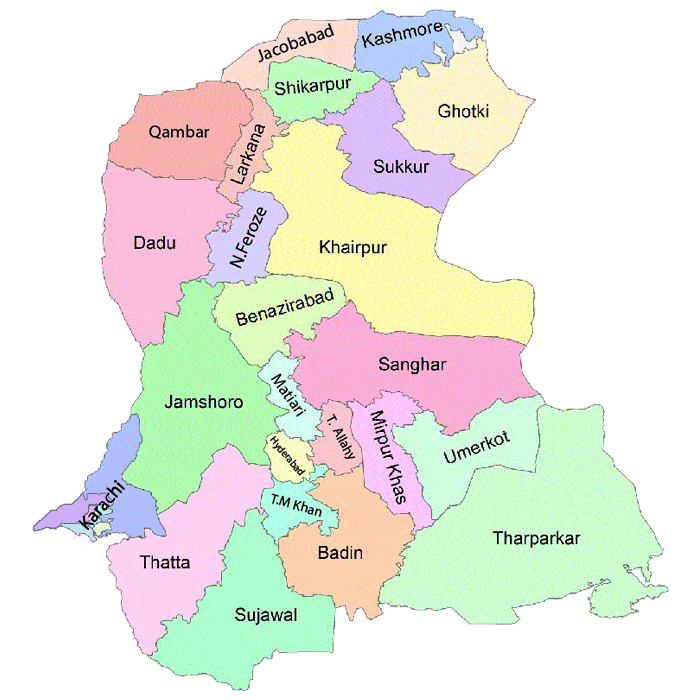
Figure 1: Map of Sindh[17]
4. Findings and Discussion
This section presents the principal findings of the research.
Survey findings from five flood-affected districts reveal that 93% of respondents resided in rural areas, reflecting the region’s strong agricultural base and the dependence of local economies on farming. Households were large, averaging 6.1 members, with a predominantly young population 30% children (0–12 years) and 36% adolescents (13–19 years) a demographic structure that heightens vulnerability during disasters. Gender representation varied across districts: Sukkur and Khairpur showed near parity, whereas Jacobabad and Shikarpur exhibited pronounced male dominance among respondents, indicating social and cultural barriers to women’s participation.
Educational attainment was strikingly low: 64.2% of respondents had no formal education, with women disproportionately affected (66% of uneducated respondents). This lack of education hinders awareness of flood risks, limits the capacity for informed decision-making, and restricts the adoption of resilience-building strategies such as nature-based solutions. Respondents with basic education demonstrated comparatively better understanding of flood causes and management strategies.
Information access patterns further reflect these educational constraints. None of the respondents relied on newspapers for hazard information; instead, television (56%) and radio (29%) were the primary sources, followed by social media (15%). Livelihood data indicate a predominantly agrarian economy, with 77.2% of households dependent on agriculture and 16% on wage labor, rendering communities highly susceptible to flood-induced livelihood shocks. Floods severely damaged crops and assets, forcing households to borrow from landlords at high interest rates and increasing long-term economic precarity. Approximately 25% reported complete income loss, while 16% experienced substantial income loss.
With an average monthly income of PKR 15,000 (USD 53), households lacked both the intention and financial capacity to invest in preparedness, recovery, or resilient infrastructure. Women reported additional burdens, including long-distance travel (up to 600 km) for basic health services during emergencies. Post-flood, many households relied on low-wage labor, loans, or the sale of valuables to meet basic needs.
The findings illustrate how intersecting vulnerabilities low education, limited income, gender disparities, and reliance on climate-sensitive livelihoods significantly constrain community resilience and adaptive capacity in flood-prone regions.
4.1. Rainfall occurrence in Sindh
Pakistan’s temperature rise during the 20th century was estimated at 0.57°C, slightly below the South Asian regional average of 0.75°C. In recent decades, warming has intensified, with temperatures increasing by 0.47°C between 1961 and 2007.[18] This warming trend has been particularly pronounced in the southern provinces, where winter temperatures in Punjab, Sindh, and Balochistan rose by 0.91°C to 1.12°C during the same period. [19] Rainfall in July 2022 exceeded the monthly average by more than 307%, and in August by 726%.[20]
Floodwaters persisted in districts such as Dadu, Jacobabad, Kambar, Shahdad Kot, Khairpur, Mirpur Khas, Jamshoro, Sanghar, Umer Kot, Badin, Shaheed Benazir Abad, and Naushahro Feroze, resulting in a prolonged humanitarian crisis.[21]
As of January 2023, the Provincial Disaster Management Authority of Sindh reported that more than 89,000 people remained displaced, with Dadu having the highest number of internally displaced persons (IDPs) at 41,742.[22] 24 out of 30 districts were declared as calamity-hit. These vulnerable communities faced additional challenges during winter, particularly in mountainous and high-altitude regions.[23]
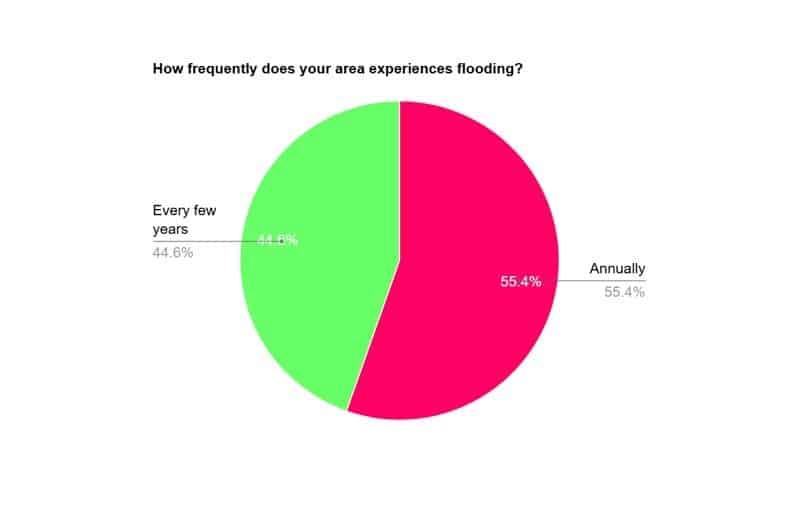
Figure 2: Impacts of floods on crops in the studied areas
Figure 3 summarizes respondents’ perspectives on the most significant environmental issues in Sindh. A majority (62%) identified flooding as the primary concern, underscoring the extensive destruction it causes.
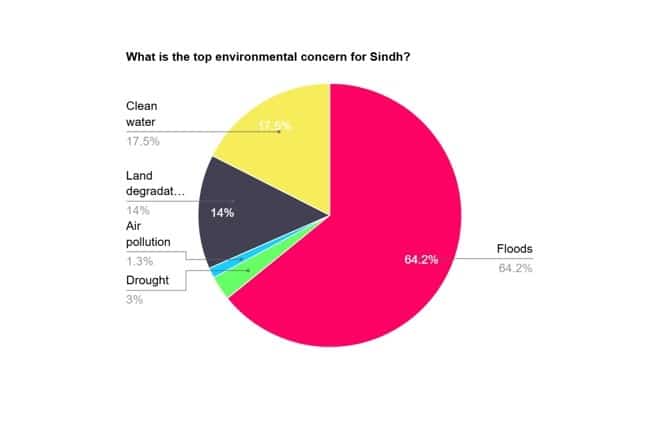 Figure 3: Environmental problems of Sindh
4.2. Rainfall in 2022
The 2022 flood, caused by monsoon rains, exacerbated the event and destroyed a large area of crops, leaving already poverty-stricken families struggling to obtain food. Approximately 4.9 million hectares of agricultural area in Sindh were affected. A total of 11% of crop production, 42% of rice production, 23% of cotton production, and 31% of sugarcane production were damaged.[24] The analysis indicated expected production losses of 88% (3.1 million bales), 80% (1.8 million tons), and 61% (10.5 million tons) for cotton, rice, and sugarcane. The survey results were similar to those reported in government statistics. Approximately 46% reported severe damage to their standing crops, and 43% reported significant damage. [25] One shocking insight is that for every five rice bags ready for harvest, four were lost to the deluge, highlighting the staggering scale of agricultural devastation.
4.3. Types of vulnerabilities
In the study areas, the vulnerabilities experienced by flood-affected people ranged from inadequate drainage in relief camps to insufficient access to drinking water, leaving rainwater as the only available source. Waterborne diseases were particularly prevalent among children, as they lived and played in areas with large volumes of stagnant water. No health facilities were available in most camps. Pregnant women had no information or understanding of navigating floodwater to get to a safer location. The affected communities faced immense psychological stress as houses and livelihoods were lost or damaged, and the displaced people remained unsure of the future.
Displaced people who were patients of chronic ailments, diabetes, hypertension, and heart diseases had no access to their daily medication. Political discrimination was also reported to have affected complainants who were denied aid because of their political affiliation with less favored groups. Some religio-political parties extended assistance to only their favored sects.
4.4. Early warning and flood preparedness
Every survey respondent, regardless of their geographical location, economic background, gender, or any other identity, was affected by the rains and floods and experienced hardship in different ways. The lack of timely updates on the severity of rainfall and flooding worsened the loss of life and the suffering of communities. People felt that accurate, timely information about the scale and progression of the rains and floods would have helped them prepare more effectively for what was to come.
Few participants recognized that the scale of destruction impeded and constrained the post-disaster response. However, many believed that the government’s flood response lacked proper strategic planning. When the floods struck, authorities began coordinating efforts from Karachi and Hyderabad, but roads were blocked, and infrastructure was destroyed in the affected regions. Therefore, managing such an enormous crisis from urban centres was unrealistic. Participants emphasized that, without district-level emergency relief services and empowered local decision-making bodies, an effective and timely response to disasters of this magnitude would remain unattainable.
4.5. Compromised healthcare
Many displaced people and others affected by the floods were forced to remain near areas filled with stagnant water. This exposed them to waterborne and other illnesses, primarily because the camps lacked drainage systems. In some regions, people had no choice but to drink rainwater, leading to various health problems. The health system was strained by the limited availability of health workers to care for the large population affected by the floods. An approximate ratio of 1 health worker per 500 displaced people further underscores the challenges of providing adequate healthcare services. These conditions underscore the urgent need to allocate resources to improve healthcare infrastructure and staffing in disaster-affected areas.
Most displacement camps lacked adequate health services, worsening conditions for pregnant women, children, and the elderly amid outbreaks of mosquito-borne, water-borne, and skin diseases.
Pregnant women faced severe hardship. Reaching safe areas during the floods was extremely difficult, and after the flooding subsided, they continued to struggle to access proper medical care.
Survey participants felt that the government had insufficient data on newborns, people with disabilities, and the elderly, and lacked a strategy to prioritize assistance for these vulnerable groups during emergencies.
Many respondents described losing all their possessions when their homes were submerged. They recounted going without essential medication for chronic illnesses such as diabetes, hypertension, and heart disease during their displacement.
The loss of homes and livelihoods also caused deep psychological distress. Many displaced families remained in uncertainty, living in tents with no clear path forward. Their houses were either still underwater, or the compensation they received was insufficient to cover repair costs.
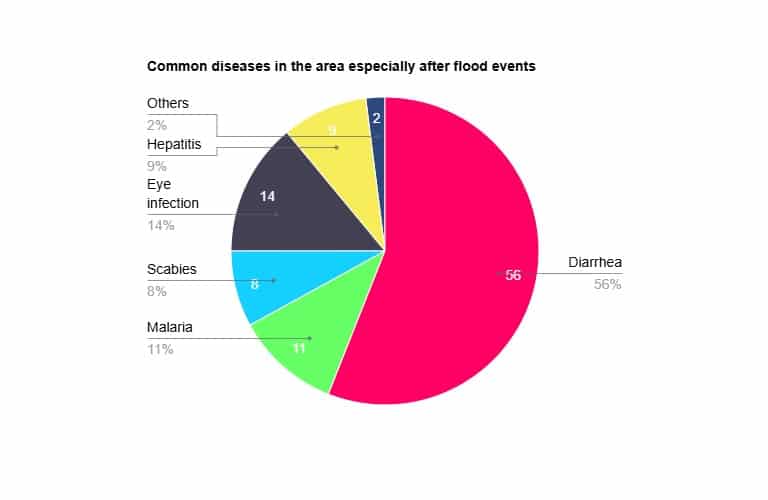
Figure 4: Common diseases reported
4.5. Vulnerabilities worsened
Landless peasants and haris were severely affected as their dwellings, mostly made of mud, were inundated and flattened during the first spell of the monsoon rains. Others affected included small shop owners and women performing domestic labor, such as embroidery and sewing. In addition to losing their homes, these groups also lost their livelihoods much earlier than other affected communities. During the rainy season, they were forced to live in open fields that were difficult to reach. After the rains, they were the last to receive assistance because access routes to their settlements remained underwater. Many respondents reported that, when official aid finally arrived, it was appropriated mainly by wealthier individuals, leaving those living in the fields with minimal access to relief. Farmland remaining underwater further harmed those whose only skill was farming, deepening livelihood losses for some of the poorest rural families.
Haris, who worked as a sharecropper, was also cited as among the worst affected for other reasons. These sharecroppers were tenant farmers who bore the entire cost of cultivation and typically gave 50% of each crop as rent to the landowners. With the loss of their crop, they lost everything. The Sindh government announced that peasants would get free seed.
The government or aid agencies took no specific measures to assist and protect any vulnerable groups, including expectant mothers, women-headed families, people with disabilities, or unaccompanied children. The government or aid organizations failed to meaningfully consult vulnerable communities to assess their needs before launching relief and rehabilitation efforts in Sindh.
Additionally, there was no effective complaint mechanism for the affected people. The government and aid agencies had no strategy for prioritizing assistance to those with urgent needs during emergencies. Landless peasants living in kachha (mud) houses were excluded from damage assessments and compensation payments, and their needs were not addressed before relief and rehabilitation efforts were launched in Sindh.
4.6. Gender perspectives
Flood-related displacement intensified the pre-existing hardships and vulnerabilities faced by women. Interviews with key informants revealed incidents in which displaced girls and young women experienced violence from male family members. With their homes and sources of livelihood destroyed, families were forced to seek refuge in government camps or set up makeshift tents on higher ground. In their rural homes, women were usually not permitted by male relatives to sit outside. Still, the overcrowded conditions in camps meant that girls and women often had to sit outside their tents, which led to instances of domestic violence.
Factors such as caste and disability compounded the challenges faced by displaced women. For instance, women from marginalized caste backgrounds, who already faced discrimination in their daily lives, found themselves at a disadvantage in accessing aid and resources in relief camps. Similarly, women with disabilities encountered significant barriers in mobility and accessing essential services, which were often not designed to accommodate their needs. These intersecting factors of caste and disability heightened the risk and vulnerability for these women beyond the existing gender disparities.
The absence of menstrual hygiene supplies, sanitary pads, toilets, and adequate privacy in the tents made daily life even more challenging for displaced women and girls. Female respondents did not perceive this as deliberate discrimination, but they acknowledged that women’s needs were not prioritized and were considered secondary to urgent concerns like food.
4.7. Institutional response
The 2022 flash floods left one-third of Pakistan underwater. After nearly 1,500 deaths and 500,000 displaced people, the Pakistani government proclaimed a state of national emergency. The nation’s turbulent political climate exacerbated the devastating effects of the floods. The rivalry between the present government and the former government (the PTI), along with the already deteriorating state of institutions, led to a delayed response to the current predicament.
To forge a constructive path forward, governance reforms are necessary to enhance responsiveness and resilience. Establishing decentralized emergency funds could enable quicker local responses to disasters by empowering regional authorities to access essential resources immediately. Implementing such a reform would not only mitigate delays caused by centralization but also foster a more proactive approach to disaster management by ensuring that local agencies can act swiftly and independently to meet emergency needs.[26]
The government of Pakistan’s relief efforts primarily focused on immediate needs during the initial flood response. These needs included health, food security, sanitation, water and hygiene, agriculture and livestock, and shelter and non-food items (NFI). Shehbaz Sharif, the Prime Minister of Pakistan, announced a $22.7 million package and established a relief fund to collect donations from the general public. The government allocated PKR 37.2 billion to assist 1.5 million families in need.
5. Discussion and way forward
Quantitative data capture only a fraction of the severity of Pakistan’s most significant humanitarian crisis in the past decade. Beyond the statistics are numerous untold accounts of suffering, disrupted livelihoods, and irreversible loss. The monsoon floods devastated Sindh, leaving the affected population in urgent need of immediate relief and long-term recovery support. For the flood-affected communities studied, vulnerability has been intensified not only by displacement and the destruction of homes, assets, and livelihoods, but also by historically high inflation, landlessness, political influence, and the country’s worsening economic landscape. Without systematic monitoring of emerging trends, the situation could deteriorate rapidly.
Concerns about increasing susceptibility to exploitation, such as debt bondage, are well-founded. However, the challenges posed by the floods present opportunities to build long-term resilience through addressing indicators such as absorptive, adaptive, and transformative capacities. Achieving this objective requires interventions that address the immediate needs of the most affected populations while also laying the foundation for future reductions in structural vulnerabilities. Implementing resilience metrics can provide a more transparent framework for evaluating progress and aid alignment with international resilience criteria. A reactive, uniform approach to disaster response will fail to protect the most vulnerable not only now but also in future emergencies.
-
Key takeaways derived from the study
- Building in early and long-term recovery considerations from the outset is critical for sustainability and resilience against future shocks.
- Upfront investment in mitigation and preparedness may pay dividends when the subsequent disaster strikes.
- The response overall and its accountability mechanisms must be inclusive, contextually appropriate, and responsive.
- Local knowledge and leadership are essential to an adequate response, particularly in a country such as Pakistan, where regional variation across districts is pronounced.
- They need to consider their role within a nationally led response by coordinating effectively with a range of actors.
- Critical gaps in climate response include institutional fragmentation, limited coverage, exclusion of vulnerable households from the disaster safety net, a focus on post-disaster response rather than on risk reduction, inadequate data integration, and predominantly reactive financing.
- Cash programming can be effective, but it does not fulfill all needs.
- Government responses to emergencies have mainly been reactive than systematic.
- Climate adaptation and resilience, despite being critical for vulnerable countries such as Pakistan, lack standardized global metrics, making it harder to mobilize international finance and political attention than mitigation efforts.
- The country’s challenges stem not only from limited resources but more critically from deep inequalities in how these resources and essential services are distributed across regions and communities.
7. Conflict of Interest
The author states that there is no conflict of interest.
8. Acknowledgment
I would like to express my sincere gratitude to all those who assisted during the field surveys. I am deeply thankful to the local community members who generously shared their time, insights, and experiences, making this research possible.
References
A Ahmad, M., Iqbal, M., & Khan, M. A. (2013). Climate Change Brief: Climate Change, Agriculture and Food Security in Pakistan: Adaptation Options and Strategies. Islamabad: Pakistan Institute of Development Economics.
Brown, C., & Ray, P. A. (2015). Confronting Climate Uncertainty in Water Resources Planning and Project Design: The Decision Tree Framework. Washington, DC: World Bank.
Chaudhry, Q. Z. (2017). Climate Change Profile of Pakistan. Manila: Asian Development Bank.
Dehlavi, A., Gorst, A., Groom, B., & Zaman, F. (2015). Climate Change Adaptation in the Indus Ecoregion. Islamabad: WWF Pakistan.
Eckstein, D., Künzel, V., Schäfer, L., & Winges, M. (2019). Global Climate Risk Index 2020. Bonn: Germanwatch.
Faisal, N., & Riaz, M. (2019). “Climate Change in Pakistan.” In Sathar & Khan (Eds.). Climate, Population, and Vulnerability in Pakistan. Population Council.
Fitriani, N., Aymen, M., ul Huda, N., Tufail, S. M., Amir, S., & Saud, M. (2019). Gender perceptions and adaptation strategies. IOP Conference Series.
Food Security Cluster. (2016). Sindh Drought Needs Assessment. Islamabad.
Memon, M., Ghaus, K., Iqbal, M. A., Ahmed, N., Noshirwani, M., Aamir, N., Areeb, T., Mustafa, D., & Idris, I. (2015). Gender and social vulnerability to climate change: A study of disaster-prone areas in Sindh. https://doi.org/10.13140/RG.2.1.2365.5448.
Gioli, G., Khan, T., Bisht, S., & Scheffran, J. (2014). Migration as an adaptation strategy. Mountain Research and Development, 34(3), 255–265.
Hameed, A., Karim, S., Hamza, M., Shahid, M., & Khalid, M. R. (2025). Spatial analysis of poverty localization in Pakistan: Implications for sustainable development policies. Journal of Environmental Studies, 4(2), Article a4. https://doi.org/10.55603/jes.v4i2.a4
Hayat, S. (2019). Climate change affects women more. Dawn News.
Iqbal, M., Ahmad, M., & Mustafa, G. (2015). Climate Change, Vulnerability, Food Security, and Human Health in Rural Pakistan. MPRA Paper No. 72866.
Kirby, M., Ahmad, M. D., Mainuddin, M., Khaliq, T., & Cheema, M. J. M. (2017). Agricultural production, water use. Agricultural Water Management, 179, 34–46.
Kunbher, A. D., Ullah, S., & Alam, M. (2017). Multi-sector, nutrition-sensitive response. Field Exchange 55: 98.
Memon, M. H., Aamir, N., & Ahmed, N. (2018). Climate change and drought. Pakistan Development Review, 57(3), 307–331.
Nizami, A., & Ali, J. (2017). Climate change and women’s place-based vulnerabilities. Climate and Development, 9(7), 662–670.
Pakistan Bureau of Statistics (PBS). (2021). Pakistan Social and Living Standards Measurement Survey 2019–20. Islamabad.
Rasul, G. (2012). Climate Data Modelling and Analysis of the Indus Ecoregion. Lahore: WWF.
Sathar, Z. A., Khalil, M., Hussain, S., Sadiq, M., & Khan, K. (2018). Climate Change, Resilience, and Population Dynamics. Population Council.
Stewart, J. P., Podger, G. M., Ahmad, M. D., Shah, M. A., Bodla, H., Khero, Z., & Rana, M. K. I. (2018). Indus River System Model (IRSM). CSIRO.
Tacoli, C. (2009). Crisis or adaptation? In Guzman et al. (Eds.). Population dynamics and climate change.
WFP. (2018). Climate Risks and Food Security Analysis: A Special Report for Pakistan. Islamabad.
Zheng, H. (2016). Gridded database of empirical scaling factors for CMIP5 models. CSIRO.
Zheng, H., Chiew, F. H. S., Charles, S., & Podger, G. (2018). Future climate and runoff projections across South Asia.
[1] United Nations. (n.d.). What is climate change? https://www.un.org/en/climatechange/what-is-climate-change.
[2] Bolan, S., Padhye, L. P., Jasemizad, T., Govarthanan, M., Karmegam, N., Wijesekara, H., Amarasiri, D., Hou, D., Zhou, P., Biswal, B. K., Balasubramanian, R., Wang, H., Siddique, K. H. M., Rinklebe, J., Kirkham, M. B., & Bolan, N. (2024). Impacts of climate change on the fate of contaminants through extreme weather events. Science of the Total Environment, 909, 168388. https://doi.org/10.1016/j.scitotenv.2023.168388.
[3] Hussain, A., Qamar, F. M., Adhikari, L., Hunzai, A. I., Rehman, A. u., & Bano, K. (2021). Climate Change, Mountain Food Systems, and Emerging Opportunities: A Study from the Hindu Kush Karakoram Pamir Landscape, Pakistan. Sustainability, 13(6), 3057. https://doi.org/10.3390/su13063057.
[4] National Disaster & Risk Management Fund. (2023). National Flood Protection Plan‑IV (NFPP‑IV). Retrieved November 23, 2025, from https://ndrmf.pk/wp-content/uploads/2023/02/National-Flood-Protection-Plan-IV-NFPP-IV-1-min.pdf
[5] National Institute of Public Administration (NIPA), Peshawar. (n.d.). Disaster management in Pakistan in the context of recent. (35th Mid Career Management Course, JS6). Khyber Journal of Public Policy. https://nipapeshawar.gov.pk/KJPPM/PDF/CIP/35th/js6.pdf
[6] Hameed, A., Karim, S., Hamza, M., Shahid, M., & Khalid, M. R. (2025). Spatial analysis of poverty localization in Pakistan: Implications for sustainable development policies. Journal of Environmental Studies, 4(2), Article a4. https://doi.org/10.55603/jes.v4i2.a4.
[7] Vulnerability Assessment Tool – Lets Respond Toolkit https://letsrespondtoolkit.org/resources/vulnerability-assessment-tool/
[8] Intergovernmental Panel on Climate Change. (2014). Climate Change 2014: Impacts, Adaptation, and Vulnerability — Working Group II Contribution to the Fifth Assessment Report: Chapter 9: Africa. https://www.ipcc.ch/site/assets/uploads/2018/02/WGIIAR5-Chap9_FINAL.pdf
[9] Zhong, D., Lu, Q., Zhang, Y., Li, J., Lei, T., & Liu, C. (2024). How a poverty alleviation policy affected comprehensive disaster risk reduction capacity: Evidence from China’s Great Western Development policy. International Journal of Disaster Risk Reduction, 111, 104656. https://doi.org/10.1016/j.ijdrr.2024.104656.
[10] German watch. (2013, November 11). German watch Climate Risk Index 2014: Haiti, Philippines and Pakistan most affected. https://www.germanwatch.org/en/7673
[11] Khoso, W.A., Tanoli, M.A., Bashir, M.T. et al. Impacts of global climate change on floods in Pakistan with current trends challenges and future perspectives. Discov Environ 3, 239 (2025). https://doi.org/10.1007/s44274-025-00403-7
[12] Jongman, B. Effective adaptation to rising flood risk. Nat Commun 9, 1986 (2018). https://doi.org/10.1038/s41467-018-04396-1
[13] Panenko, A., George, E., & Lutoff, C. (2021). Towards the development of climate adaptation knowledge-action systems in the European Union: An institutional approach to climate service analysis. Climate Services, 24, Article 100265. https://doi.org/10.1016/j.cliser.2021.100265.
[14] Recovery and Resilient WASH / Water Security & Climate Resilient WASH – MHMPA https://mhmpa.org/project/recovery-and-resilient-wash-water-security-climate-resilient-wash/
[15] Yimer, E. A., De Trift, L., Lobkowicz, I., Villani, L., Nossent, J., & van Griensven, A. (2024). The underexposed nature-based solutions: A critical state-of-art review on drought mitigation. Journal of Environmental Management, 352, 119903. https://doi.org/10.1016/j.jenvman.2023.119903.
[16] Yamane, T. (1967). Statistics: An introductory analysis (2nd ed.). Harper & Row.
[17] Adapted from Board of Revenue, Sindh
[18] World Bank Group & Asian Development Bank. (2021). Climate Risk Country Profile: Pakistan. Climate Change Knowledge Portal. https://climateknowledgeportal.worldbank.org/sites/default/files/2021-05/15078-WB_Pakistan%20Country%20Profile-WEB.pdf
[19] Pakistan Meteorological Department. (n.d.). Climate Change Indicators for Pakistan. Retrieved November 23, 2025, from https://www.pmd.gov.pk/cc%20indicators.pdf
[20] Provincial Disaster Management Authority (Sindh), Rehabilitation Department, Government of Sindh. (2025, July 10). Daily rainfall report 10-07-2025. https://pdma.gos.pk/Documents/Monsoon/Monsoon_2025/Rainfall_Reports/DAILY%20RAINFALL%20REPORT%2010-07-2025.pdf
[21] United Nations Office for the Coordination of Humanitarian Affairs. (n.d.). Pakistan floods response plan 2022: Summary (Plan No. 1108). Retrieved from https://fts.unocha.org/plans/1108/summary
[22] Ibid.
[23] Ibid.
[24] Qamer, Faisal Mueen & Ahmad, Bashir & Abbas, Sawaid & Hussain, Abid & Salman, Aneel & Muhammad, Sher & Shrestha, Sravan & Iqbal, Bilal & Thapa, Sunil. (2022). The 2022 Pakistan floods Assessment of crop losses in Sindh Province using satellite data. 10.53055/ICIMOD.1015.
[25] National Observer. (2022, September 26). Pakistan floods ruin crops and raise fears of hunger. National Observer.
[26] Babar, Summar & Liaqat, Saher. (2025). Flash Floods 2022 in Pakistan: Mapping Responses and Challenges.